
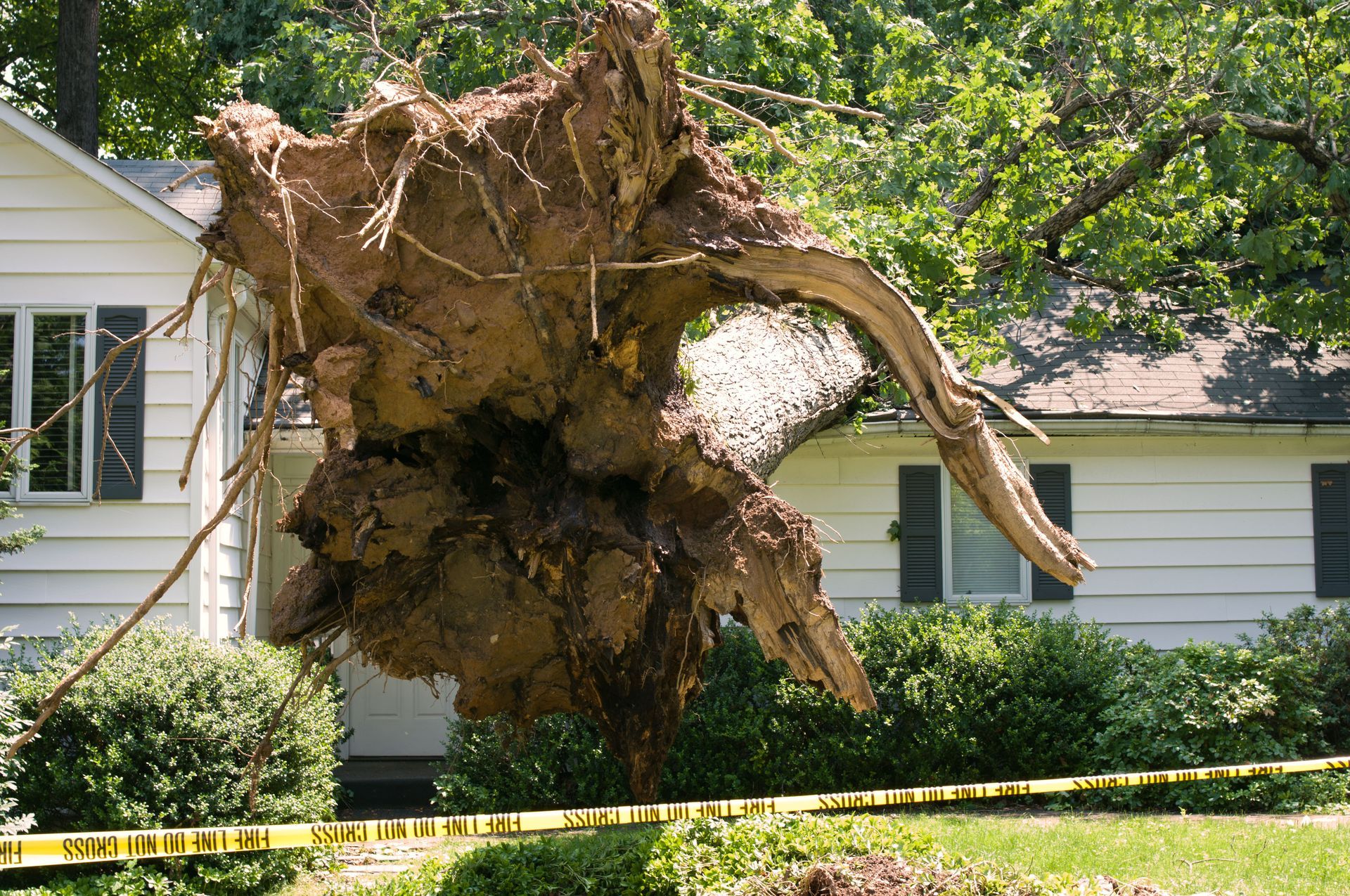
Severe weather can change the condition of a property in a matter of minutes. Heavy rain, high winds, lightning, ice, and falling debris can weaken or damage trees, creating hazards that require immediate attention. Broken limbs, split trunks, leaning trees, and uprooted root systems all have the potential to threaten homes, vehicles, utility lines, and personal safety. When storm-related tree damage occurs, acting quickly while relying on trained professionals is essential to minimizing additional risks and restoring the property safely.
Not every damaged tree presents the same level of danger, which is why professional assessments are so important following severe weather. According to Lawn Love, trees measuring less than 30 feet are generally considered small, while trees reaching 60 feet or taller are typically classified as tall by industry professionals. Regardless of size, damaged trees can become unstable after a storm. Understanding what to expect when seeking emergency tree services helps property owners respond confidently during emergency storm damage situations while protecting both people and property.
Recognizing Immediate Safety Hazards
Identifying Broken Limbs
Large branches hanging above driveways, sidewalks, roofs, or outdoor living areas present immediate hazards following severe weather. Even limbs that remain partially attached can fall without warning, especially as wind conditions continue to change. Professional crews evaluate these hazards carefully before beginning any removal work.
Observing Leaning Trees
A tree that suddenly leans after a storm may indicate significant root damage or soil instability. Even if the trunk appears intact, underground structural support may have been compromised. Emergency storm damage involving leaning trees requires prompt evaluation because movement can continue long after the storm has passed.
Watching for Split Trunks
High winds and lightning strikes sometimes cause trunks to split vertically. These structural failures weaken the tree considerably and increase the likelihood of complete failure. Professional assessments determine whether portions of the tree can be safely preserved or whether removal is necessary.
Recognizing Hidden Damage
Not every storm-related issue is immediately visible. Internal cracks, compromised limbs, and weakened root systems may remain hidden until additional stress causes further failure. Professional inspections help identify damage that may not be obvious during a visual inspection alone.
Protecting People and Property
Securing Damaged Areas
Storm-damaged trees frequently affect driveways, walkways, parking areas, and entrances. Restricting access around damaged trees helps reduce unnecessary exposure until trained professionals arrive to evaluate the situation.
Avoiding Utility Hazards
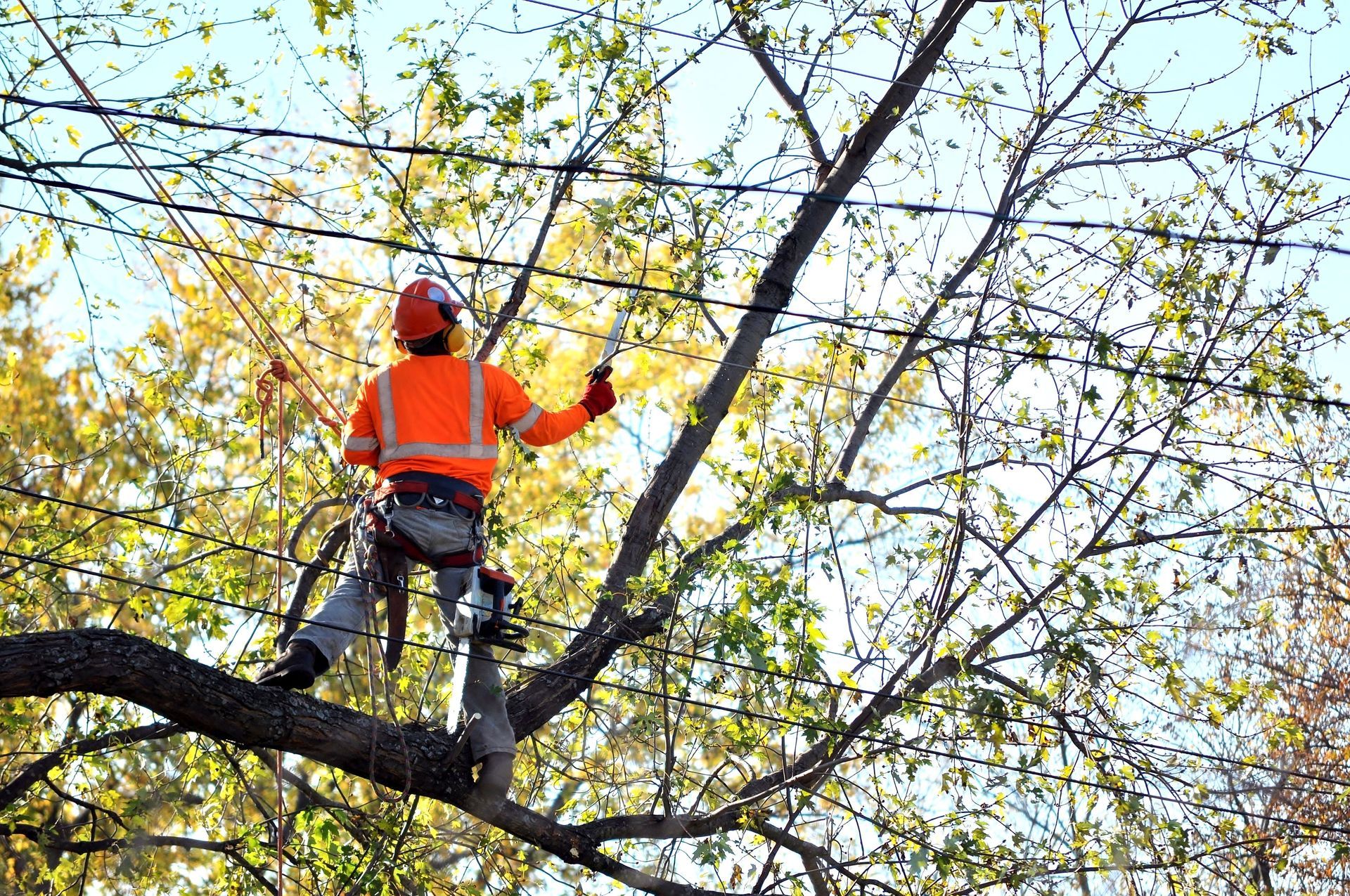
Trees that contact electrical lines create particularly dangerous situations. Fallen branches or uprooted trees may energize surrounding objects without visible warning signs. Professional crews coordinate with utility providers whenever electrical hazards are involved to help ensure safe working conditions.
Preventing Secondary Damage
Storm damage often continues after the weather improves. Weakened limbs may continue falling, unstable trunks may shift, and damaged branches can place additional pressure on nearby structures. Addressing emergency storm damage promptly helps reduce the likelihood of further property damage.
Supporting Insurance Documentation
Professional evaluations often provide valuable documentation regarding storm-related damage. Detailed assessments help property owners better understand the extent of the damage while supporting communication with insurance providers when appropriate.
Evaluating Tree Stability
Inspecting Root Systems
Healthy root systems provide the stability needed to keep trees upright. Heavy rainfall, saturated soil, and strong winds can loosen or expose roots, significantly reducing a tree's ability to remain secure. Careful inspections determine whether the tree remains structurally sound.
Examining Structural Integrity
Tree professionals evaluate trunks, major limbs, branch attachments, and canopy structure to determine the overall condition of storm-damaged trees. Understanding how different types of damage affect stability helps guide appropriate recommendations.
Assessing Long-Term Viability
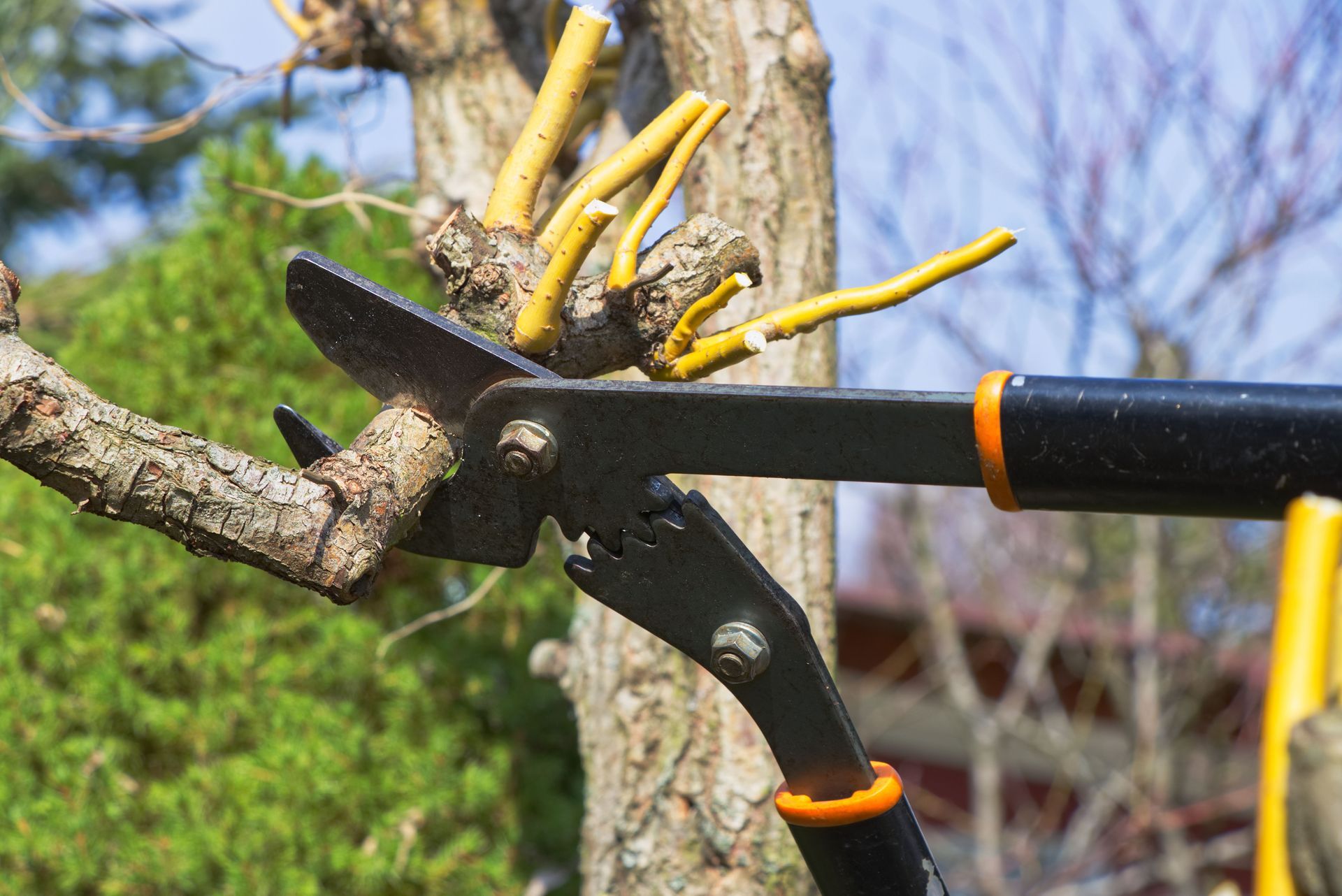
Not every damaged tree requires removal. Some trees recover successfully with appropriate pruning and continued monitoring. Others may present ongoing structural concerns that make removal the safest long-term solution for the property.
Prioritizing Immediate Risks
Properties experiencing multiple damaged trees often require prioritization based on immediate danger. Trees threatening occupied structures, roadways, or heavily traveled areas are typically addressed first during emergency storm damage responses.
Completing Professional Tree Removal
Using Specialized Equipment
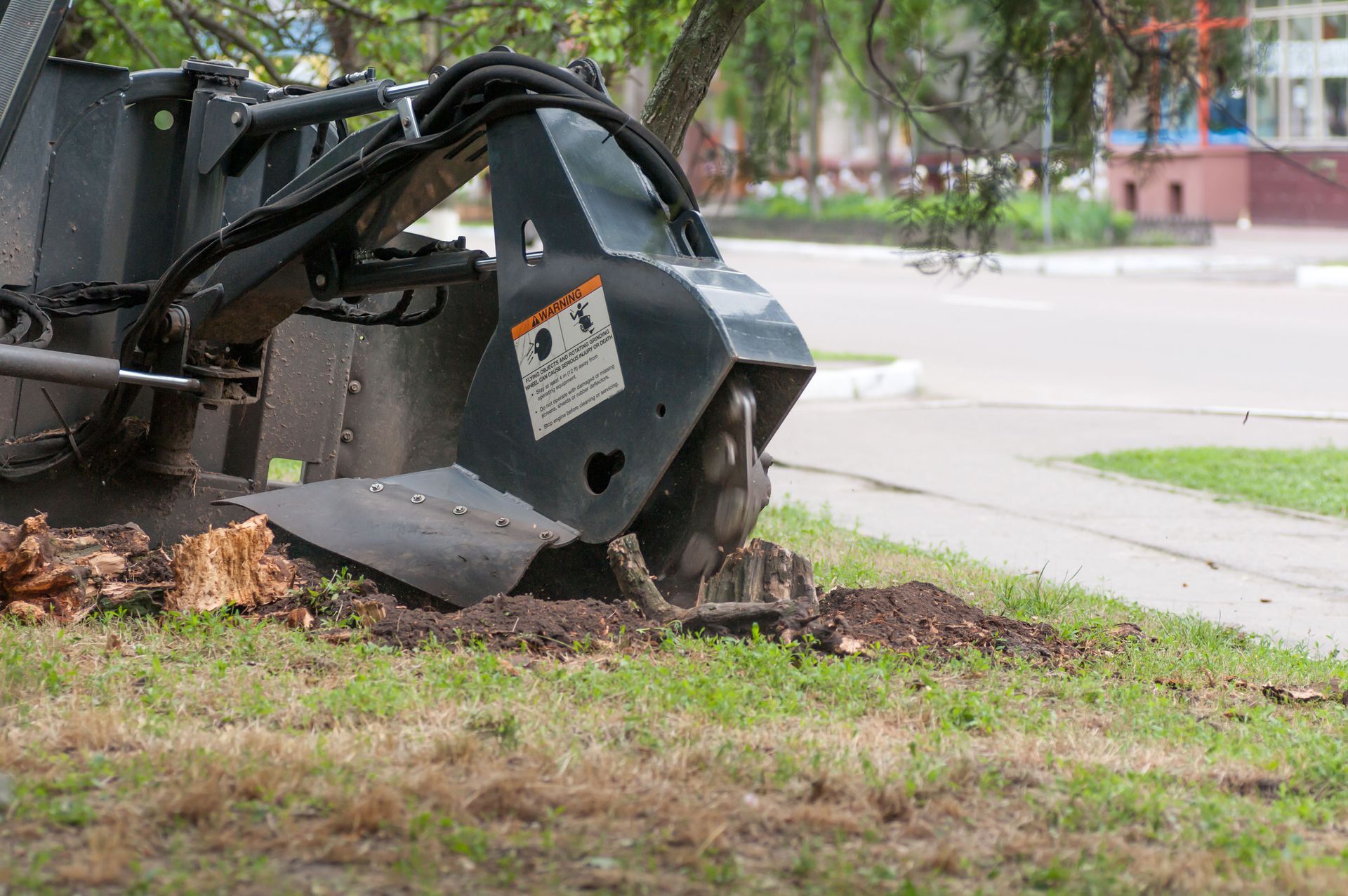
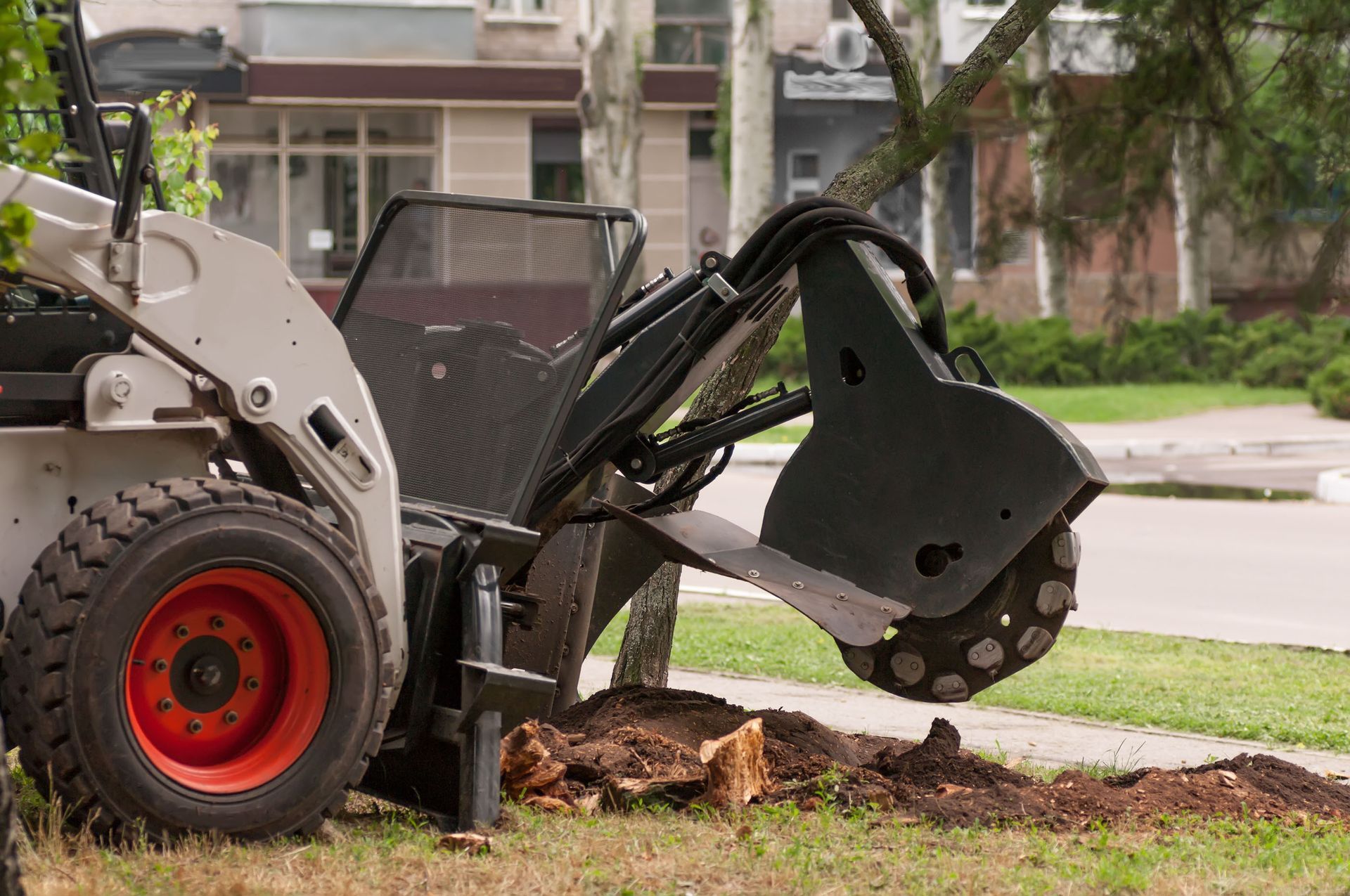
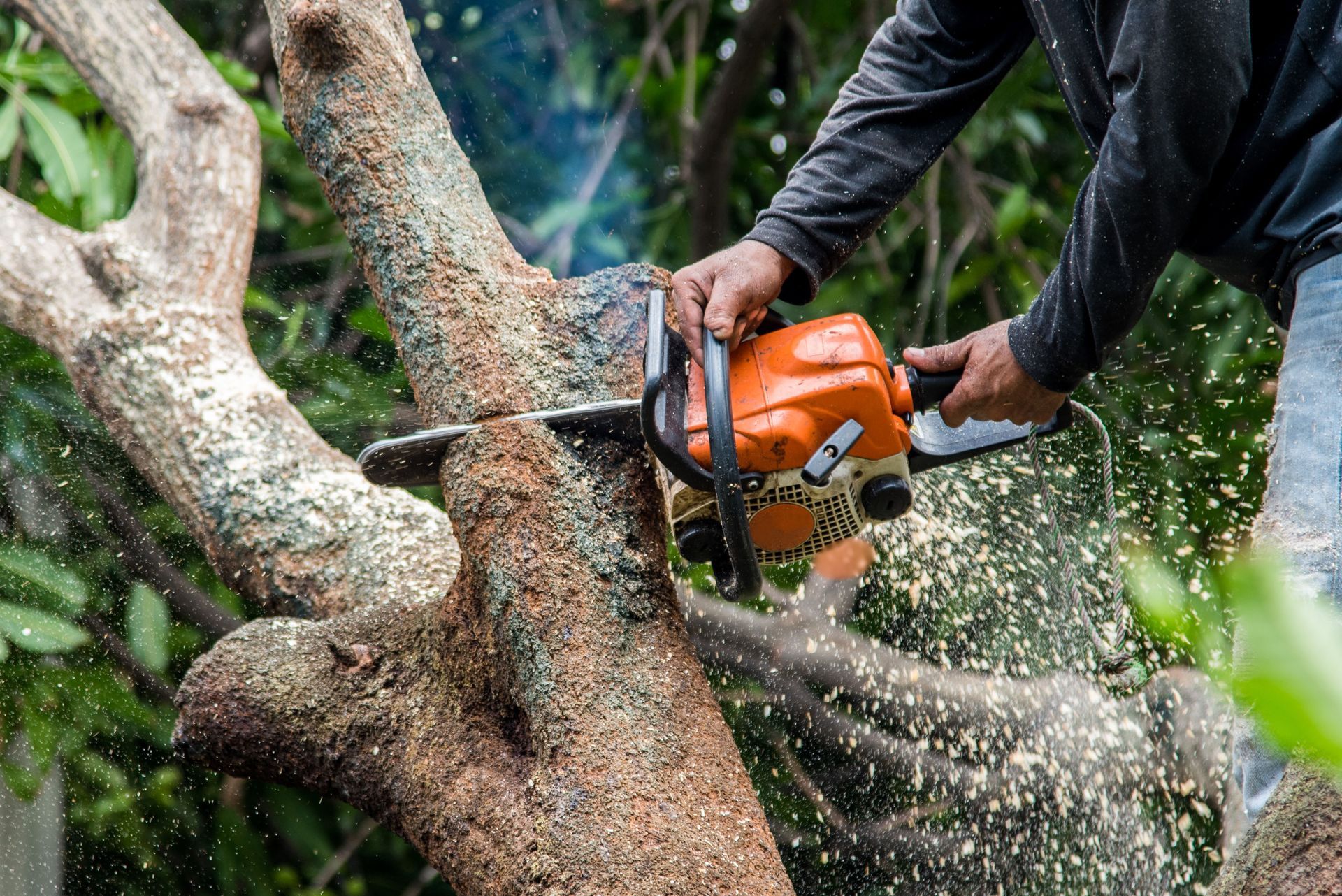
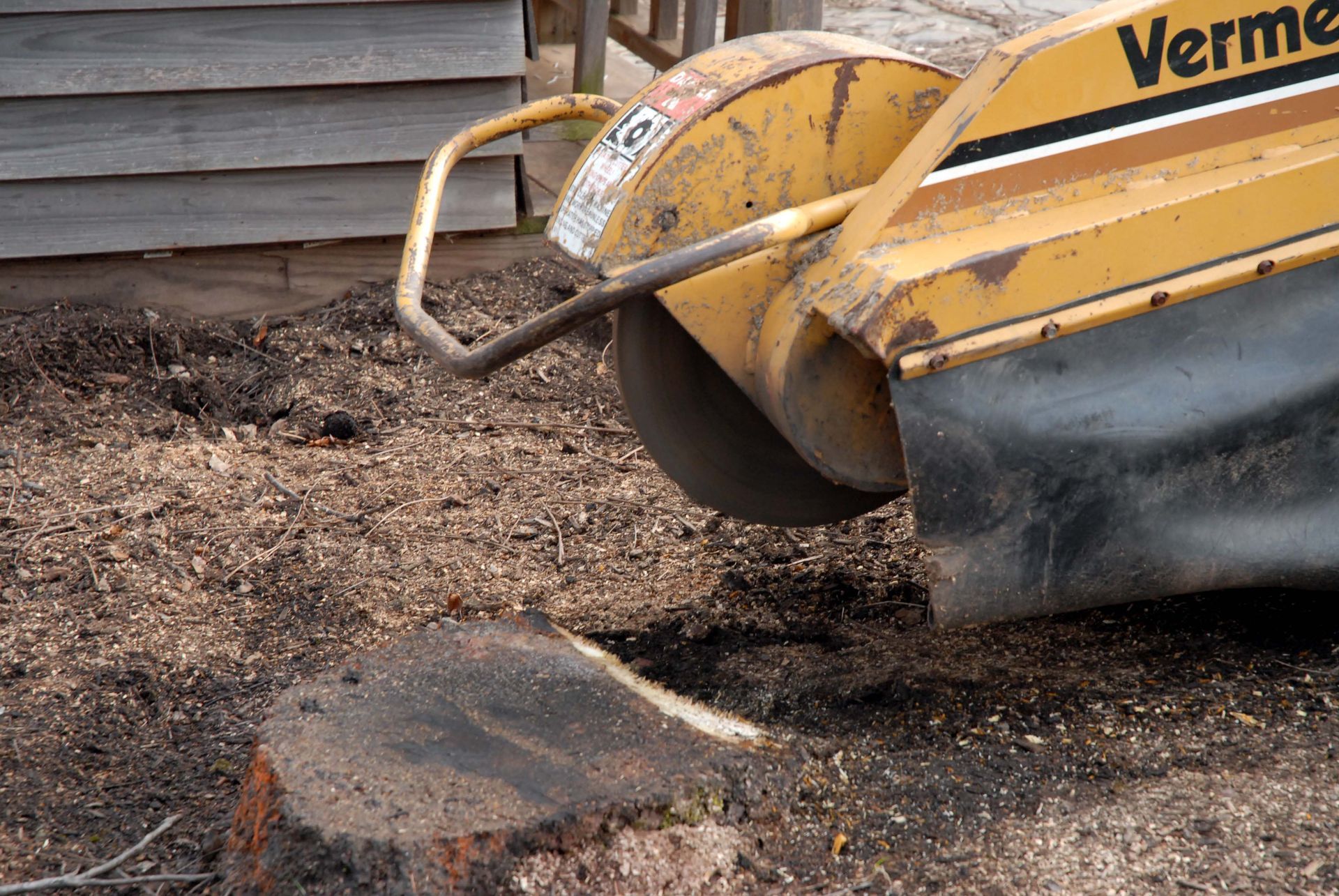
Emergency tree removal often requires specialized equipment capable of safely handling unstable trees under difficult conditions. Equipment selection depends on tree size, surrounding obstacles, accessibility, and the extent of the damage.
Managing Challenging Locations
Storm-damaged trees frequently fall near homes, garages, fences, utility lines, or landscaping features. Experienced crews carefully plan removal procedures to minimize additional property impacts while safely removing damaged sections.
Removing Debris Efficiently
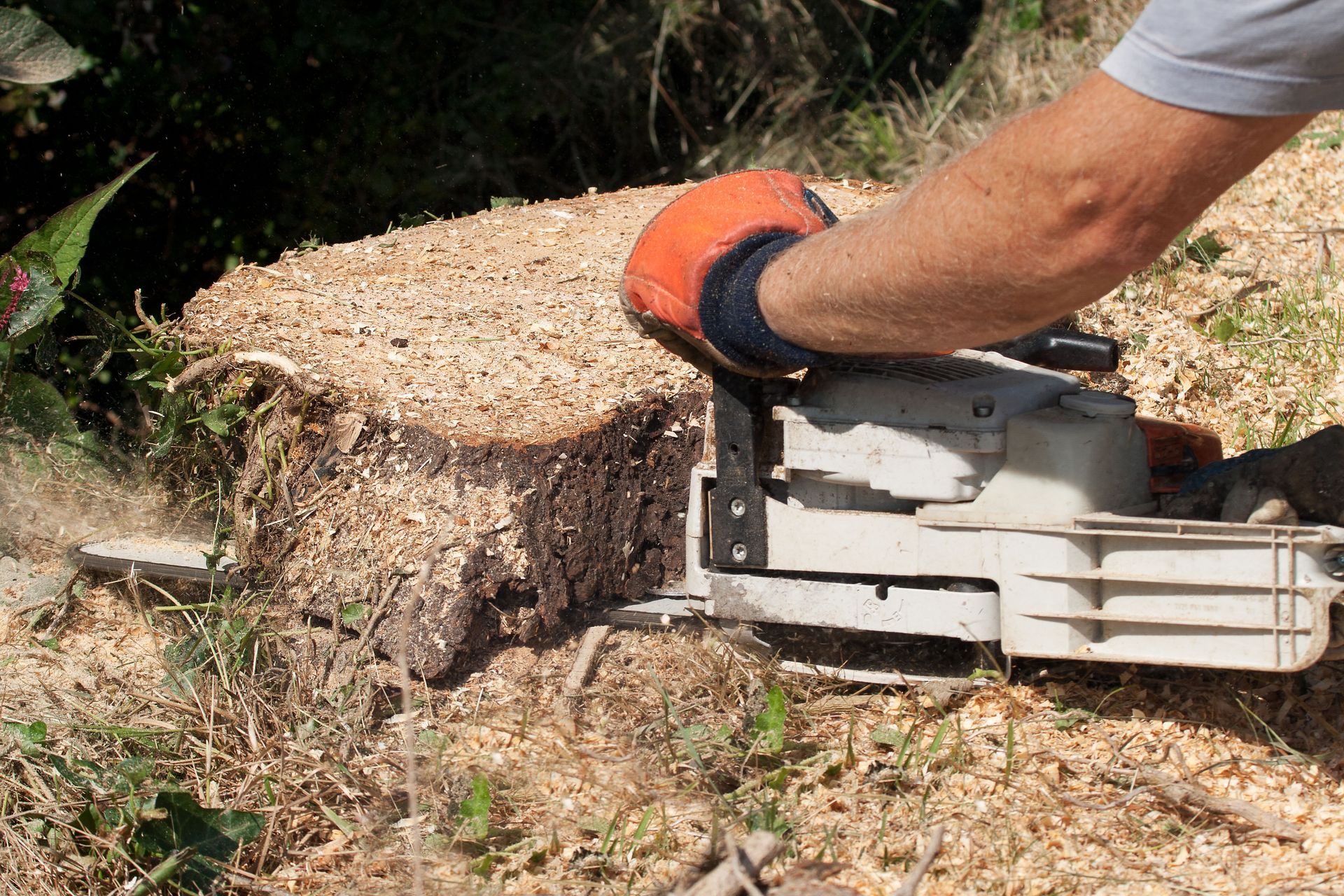
Storm cleanup typically includes branches, trunks, scattered debris, and damaged vegetation. Thorough debris removal helps restore safe access to the property while preparing the landscape for future repairs or restoration.
Restoring Property Safety
Once hazardous trees and debris have been removed, the property becomes significantly safer for homeowners, visitors, and neighboring properties. Professional cleanup also allows other restoration work to proceed more efficiently. Clearing these hazards promptly helps restore safe access to driveways, walkways, and outdoor spaces while reducing the risk of additional accidents or property damage.
Planning Future Tree Health
Reviewing Remaining Trees
Following a major storm, neighboring trees should also be evaluated for hidden structural concerns. Trees that appear healthy may have sustained damage that becomes apparent only after careful inspection.
Addressing Preventive Care
Routine tree maintenance throughout the year can help improve structural strength before severe weather arrives. While no tree is completely storm-proof, proactive care often reduces the likelihood of significant failures during future weather events.
Supporting Landscape Recovery
Storm recovery often involves more than tree removal alone. Cleaning debris, evaluating surrounding vegetation, and planning future landscaping improvements all contribute to restoring the property's appearance and functionality.
Preparing for Future Storms
Understanding how previous storms affected the landscape provides valuable insight for future planning. Professional recommendations may help identify trees that would benefit from additional monitoring or maintenance before future severe weather seasons.
Receiving Reliable Emergency Assistance
Providing Rapid Response
Emergency tree situations often require prompt attention to reduce ongoing hazards. Professional response teams understand the urgency associated with storm-damaged trees and prioritize situations involving immediate safety risks.
Delivering Experienced Assessments
Experienced professionals evaluate each property carefully before beginning work. Every storm creates unique challenges, and thorough assessments help determine the safest and most effective approach for each situation.
Using Professional Techniques
Emergency tree work frequently involves unstable conditions that require advanced training and specialized removal methods. Professional techniques help reduce unnecessary risks while protecting surrounding structures and landscaping.
Providing Peace of Mind
Knowing experienced professionals are handling dangerous storm-related tree damage allows property owners to focus on recovering from the storm rather than worrying about unstable trees or ongoing safety hazards. Professional service provides confidence during stressful situations.
Storm damage can create dangerous conditions without warning, making quick, professional response essential. From evaluating unstable trees and removing hazardous limbs to restoring safe access around homes and businesses, experienced tree professionals provide the expertise necessary to manage complex storm-related situations. Addressing emergency storm damage promptly helps protect people, preserve property, and reduce the likelihood of additional damage after severe weather has passed. Professional evaluations also help property owners make informed decisions about long-term tree health and future landscape safety.
If your property has been affected by severe weather and you need prompt, professional assistance, contact Cipully Tree Service LLC today for dependable emergency tree services and expert solutions for emergency storm damage.
Share On: