
A tree stump does not always need to be ground to the same depth. The right depth depends on what the homeowner wants to do with the area afterward, how large the stump is, and whether nearby roots or other site conditions affect the work. Understanding those factors before the job begins can help homeowners set realistic expectations and avoid problems when they later reseed, replant, or redesign the space.
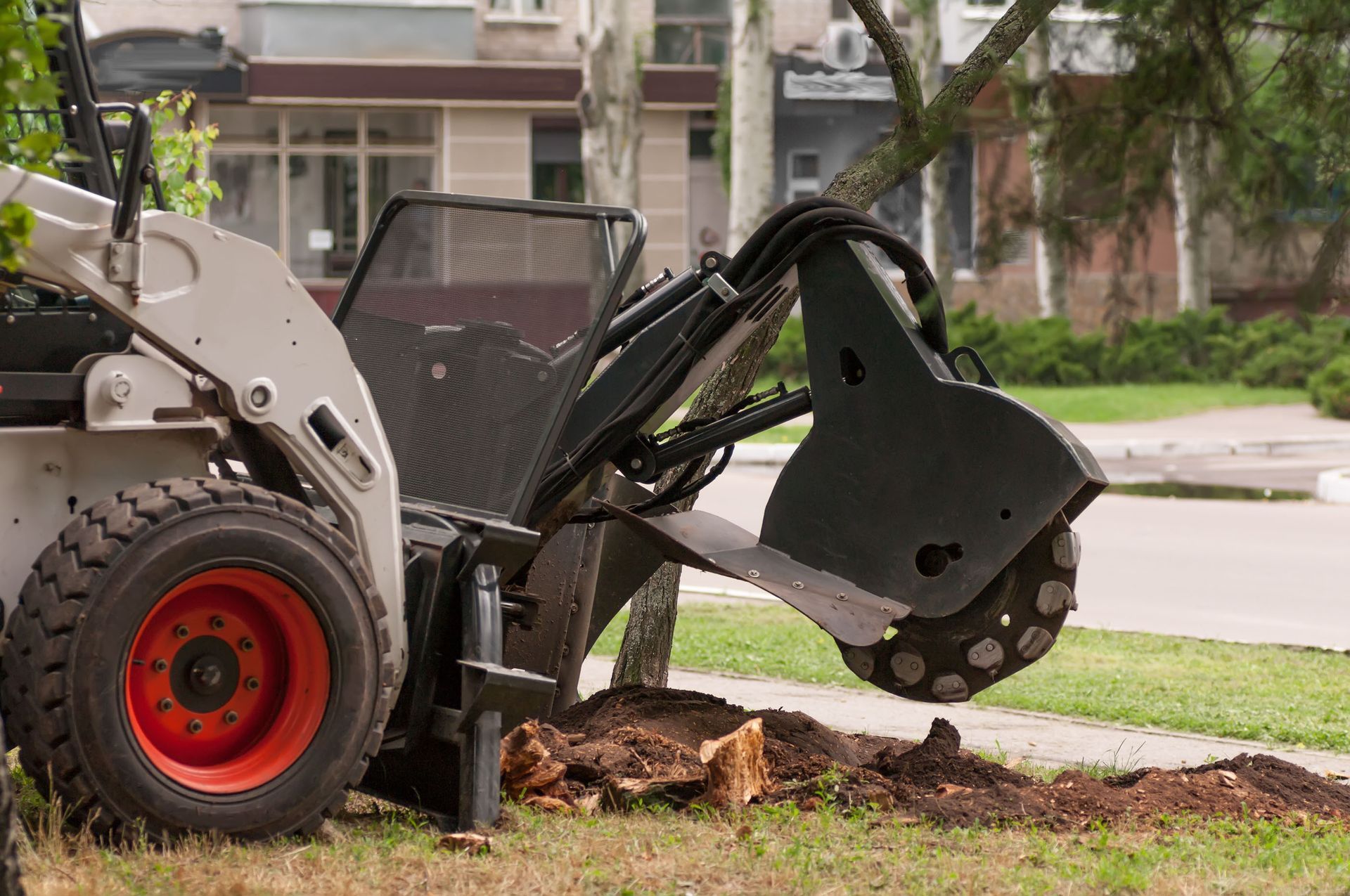
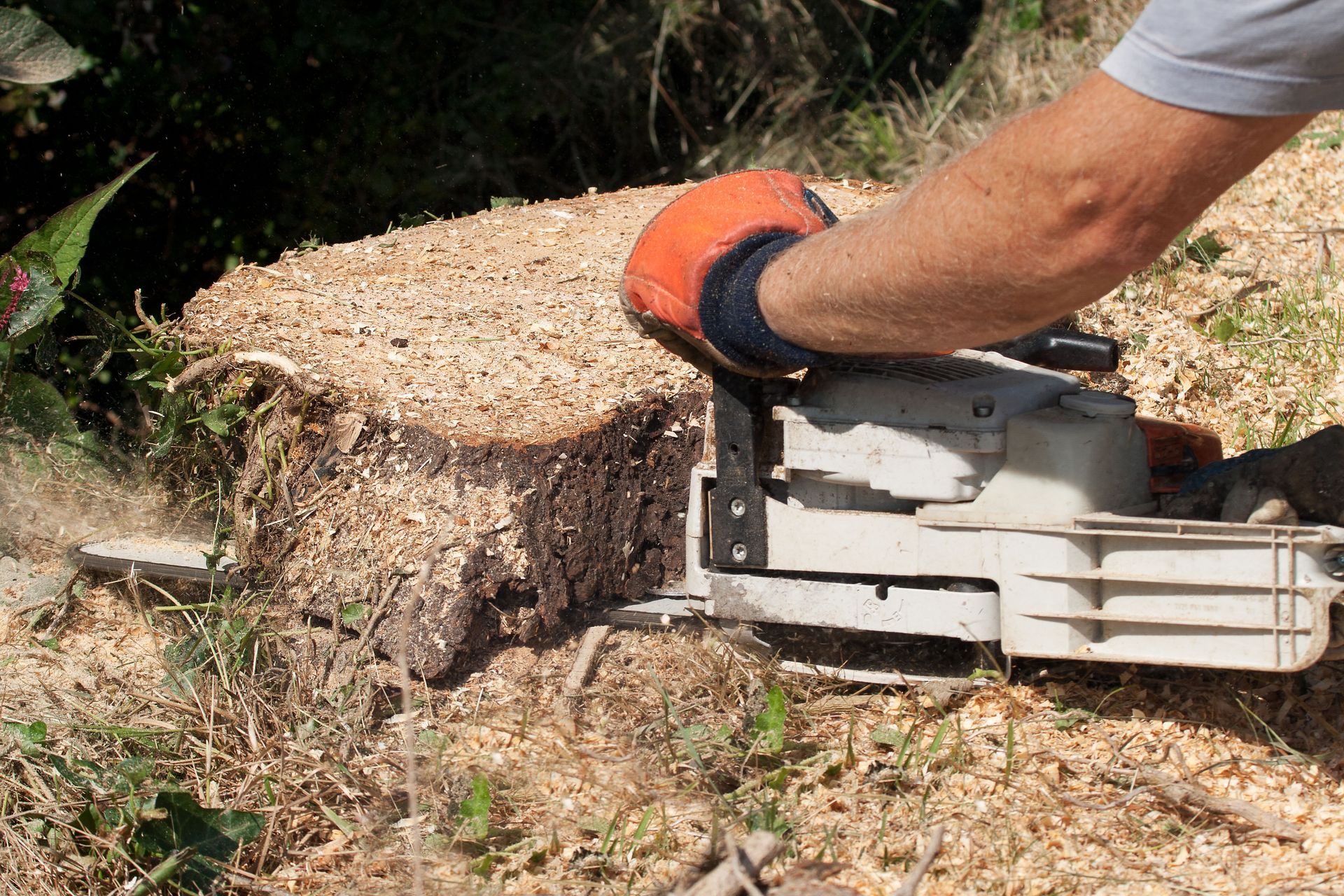
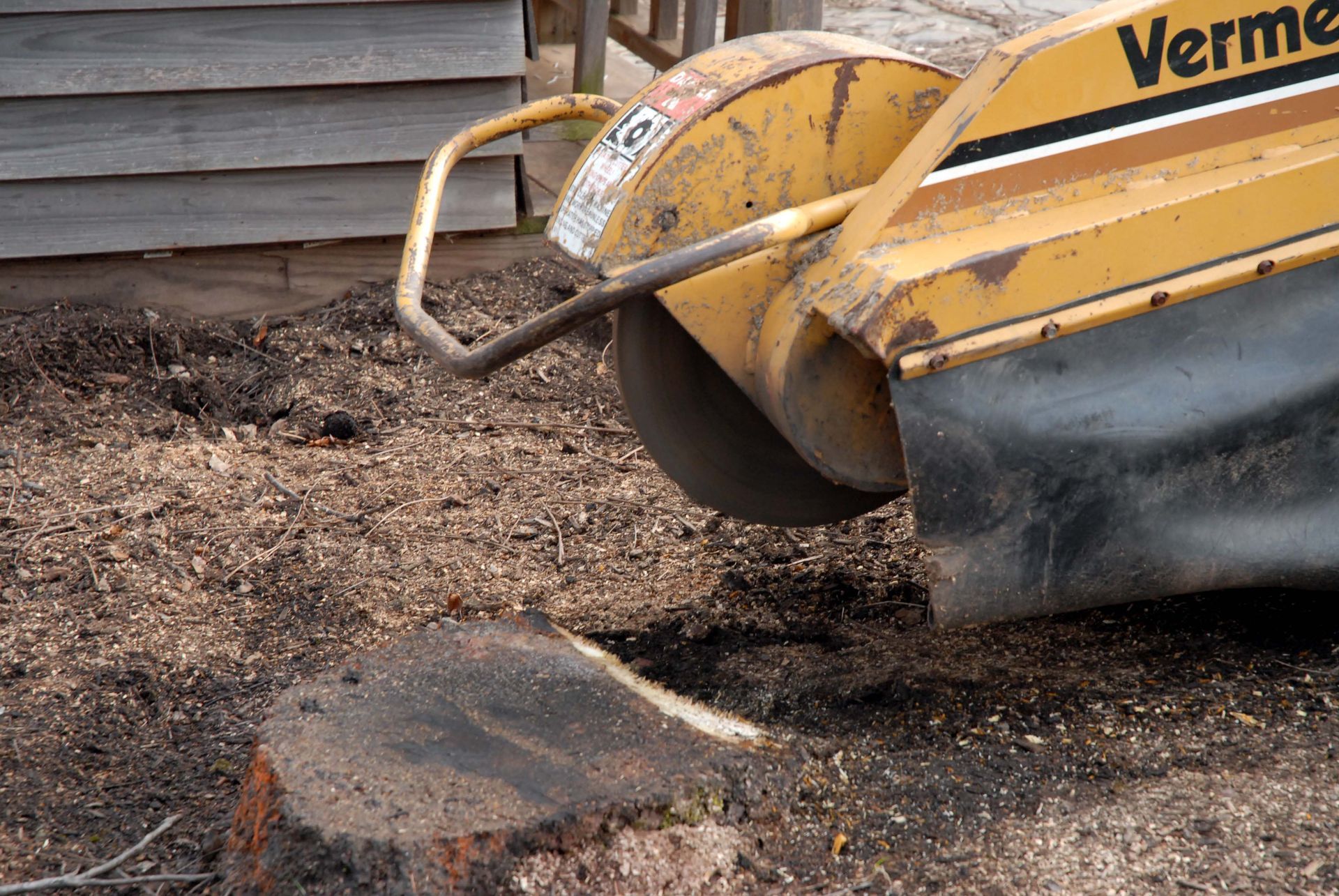
Professional stump grinding uses specialized equipment to reduce the visible portion of the stump below the surrounding soil surface. Unlike full stump and root removal, grinding usually leaves much of the underground root system in place while eliminating the main obstruction at ground level.
Cipully Tree Service LLC provides stump grinding for large and small stumps in Cheshire, Connecticut, and surrounding areas. Discussing the desired final use of the area before work begins can help determine how the job should be approached.
Why Grinding Depth Matters
Grinding below ground level creates room above the remaining wood so the area can be restored or reused. If a stump were only cut flush with the lawn, hardwood would remain directly at the surface and could interfere with mowing, grass growth, or future improvements.
According to Forbes, stump grinding professionals typically grind a stump about 4 to 6 inches below ground level. Forbes also notes that deeper grinding may be required when a homeowner plans to replant a tree or build something in the same location.
There is no single depth that is ideal for every project. Stump grinding services should be planned around the property's conditions and the homeowner's next steps rather than one fixed number.
Start With the Intended Use of the Area
Before grinding begins, decide what you would like the former tree location to become. A section that will be covered with topsoil and grass may have different requirements than an area intended for a garden bed, walkway, or another improvement.
If the goal is to restore lawn coverage, grinding below the surface can create room for soil and grass seed. The ground can then be leveled so the former stump area blends with the surrounding yard.
Tell the Crew What You Plan to Do Next
If you are planning something more involved, tell the contractor beforehand. Useful questions to consider include:
- Will the area be reseeded with grass?
- Are shrubs, flowers, or another tree planned nearby?
- Will a walkway, patio, or other feature be installed?
- Are exposed surface roots also creating obstacles?
- Does the area need to be brought back to a level grade?
Sharing those plans allows stump grinding services to be coordinated more closely with what needs to happen afterward.
Understand the Difference Between Grinding and Root Removal
Homeowners sometimes expect stump grinding to remove every part of the old tree below ground. In most cases, that is not what the process is designed to do.
A stump grinder reduces the stump and accessible portions of the root flare into smaller wood pieces. Much of the root system can remain deeper in the soil and decompose gradually over time.
This matters when planning construction or planting directly where the tree once stood. Grinding can make the surface far easier to use, but remaining roots and underground wood may still influence what can be placed in that exact location.
Discuss Projects That Require More Extensive Excavation
Before scheduling stump grinding services, explain if your future plans require extensive excavation or complete removal of underground material. The contractor can explain what grinding will accomplish and whether additional work may be appropriate.
This conversation is especially useful if the former tree location will eventually support a larger landscape or construction project. Understanding what will remain underground helps prevent assumptions about what the finished site will be ready for.
Consider the Size and Location of the Stump
The stump itself also affects how the job is approached. Diameter, wood density, surrounding roots, and access can all change the amount of work required.
A small stump in an open lawn is very different from a large stump beside a fence, driveway, planting bed, or structure. Equipment must be positioned appropriately, and nearby features may limit how the stump can be reached.
Clear a Practical Route to the Work Area
Homeowners can help prepare by clearing movable objects from the work area and providing a practical path to the stump. This may include moving:
- Lawn furniture
- Garden decorations
- Toys and hoses
- Portable planters
- Vehicles blocking equipment access
Cipully Tree Service LLC asks customers to make sure equipment can reach the work area. Better access can help the crew position machinery and complete the work without unnecessary obstacles.
Ask What Will Happen to the Wood Shavings
Grinding produces a mixture of wood chips, soil, and finely ground material. The amount can be substantial, particularly when the stump is large.
Before work begins, ask what will happen to that material. Cipully Tree Service LLC gives customers the option of keeping the shavings or having them hauled away. The company can also assist with restoring the site with topsoil and grass seed.
Plan Cleanup Around the Future Use of the Space
If you plan to reuse the area soon, cleanup should be part of the conversation. Ask:
- Will the grindings be left in the hole?
- Can excess material be removed?
- Will the area be filled with topsoil?
- Can grass seed be added afterward?
- Should the ground settle before additional work begins?
Professional stump grinding services can address the wood itself, but planning cleanup helps determine how quickly the area can transition into its next use.
Think About Large Surface Roots, Too
A stump is often the most obvious obstruction, but large surface roots may continue several feet into the yard. Those roots can interfere with mowing, planting, grading, or other plans even after the central stump has been reduced.
Cipully Tree Service LLC offers large root grinding in addition to stump work. If surface roots are causing problems, point them out when requesting an estimate rather than assuming they are automatically included.
Define the Scope Before Work Begins
Review the site with the crew and identify which visible roots are creating problems. This helps everyone understand which portions of the old tree are expected to be addressed.
It also gives the contractor an opportunity to evaluate whether the roots are accessible and how additional grinding may affect the scope of the project.
Avoid Treating Depth as the Only Measure of a Good Job
It is easy to focus entirely on how many inches below the surface a stump will be ground, but depth is only one part of the outcome.
A successful project should also consider access, cleanup, remaining surface roots, final grade, and the future use of the space. Grinding deeper than necessary may add work without providing a practical benefit, while grinding too shallowly for the intended project may leave more preparation for later.
Ask Questions About the Finished Result
When comparing stump grinding services, ask the company to explain its recommended approach based on the actual site:
- How deep do you recommend grinding this stump?
- Why is that depth appropriate for my plans?
- Are large roots included?
- What will remain underground afterward?
- How will the grindings be handled?
- What should the area look like when the job is complete?
Those questions provide more useful information than choosing a service based solely on a promised grinding depth.
Plan the Next Step Before the Grinder Arrives
Stump grinding can turn an obstructed section of yard into space that is easier to maintain and redesign, but the best results begin with a clear plan. The depth should reflect what will happen after the stump is gone rather than being treated as an isolated decision.
If the area will become lawn, plan for soil and seed. If new landscaping will be added, discuss how much underground material may remain. If a larger project is planned, make sure the contractor understands that before grinding begins.
Cipully Tree Service LLC provides professional stump grinding services for stumps of different sizes and offers cleanup and site-restoration options. The locally owned company has more than 15 years of experience and provides free estimates.
By explaining how you want to use the area afterward, you can help the crew recommend an appropriate grinding depth and leave the property better prepared for whatever comes next.
Share On: