
Trees are one of the most valuable parts of any residential landscape, offering shade, beauty, privacy, and measurable environmental benefits. At the same time, they require ongoing care because their health can decline slowly and sometimes without obvious warning signs. Homeowners often assume a tree is healthy as long as it remains green, but many underlying problems develop internally long before they become visible. Weather events, soil conditions, pests, and aging all contribute to a gradual decline that can eventually create safety concerns. One of the most overlooked issues in residential landscapes is tree damage, which can progress quietly until branches fail or the entire structure becomes unstable. Understanding early warning signs helps prevent property damage, reduces safety risks, and supports long-term tree health. With regular observation and timely action, homeowners can protect both their investment and their outdoor environment.
Recognizing Structural Warning Signs
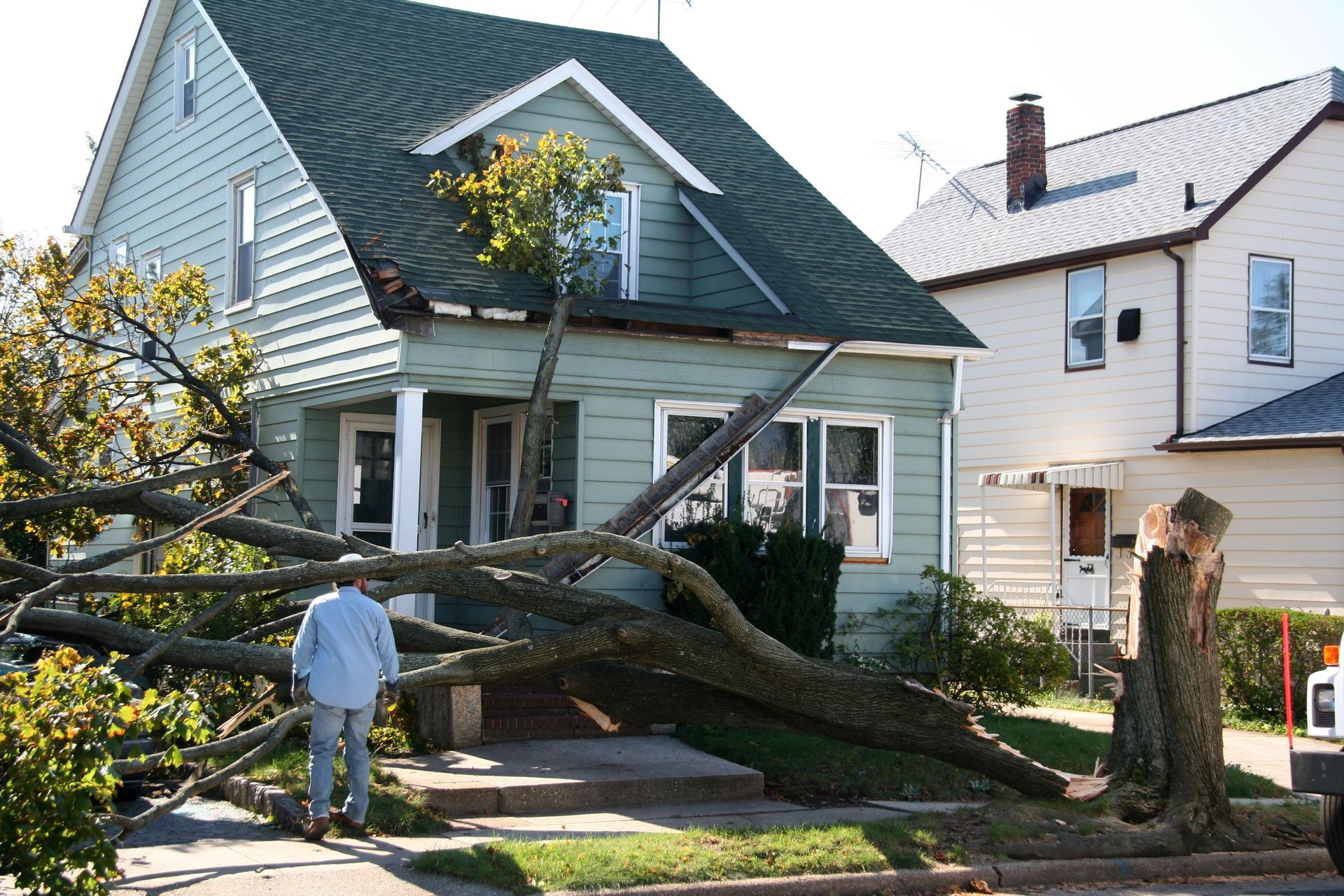
Structural changes in a tree are often the clearest indication that something is wrong and should not be ignored. Cracks running vertically along the trunk or deep splits in major branches may signal internal weakness that is not immediately visible. These issues can develop after storms, prolonged drought, or gradual stress that weakens the wood over time. In many cases, tree damage begins inside the trunk before outward signs appear, which makes regular inspection essential. Branches that lean suddenly, hang unevenly, or show separation at connection points should be treated as potential hazards. Even small cracks can expand over time due to wind pressure, moisture infiltration, or temperature changes. Homeowners should avoid assuming that minor structural issues are harmless, as they often progress quickly under the right conditions. Early identification allows for corrective action that can prevent larger failures and protect surrounding structures.
Identifying Fungal and Decay Indicators
Fungal growth and internal decay are common issues that signal deeper health problems within a tree. Mushrooms near the base, soft or spongy bark, and discolored patches are all signs that decomposition may be occurring beneath the surface. These conditions often develop in environments with excess moisture, poor drainage, or limited airflow. Once decay begins internally, it can weaken the structural integrity of the tree long before it becomes outwardly obvious. This type of tree damage can be particularly dangerous because it compromises strength from the inside out. In advanced cases, hollow sections may form, making the tree unstable even if it appears healthy externally. Treatment depends on severity, and while minor issues may be managed with pruning and environmental adjustments, more serious cases may require removal. Healthy trees play a critical environmental role, and according to Community Greening, a single mature tree can absorb about 22 pounds of Carbon dioxide each year, helping reduce carbon in the atmosphere. This makes early intervention even more important, as preserving healthy trees supports both safety and environmental balance.
Monitoring Leaf and Canopy Changes
Leaves and canopy structure often provide early visual clues about a tree’s overall condition. When leaves begin changing color outside of seasonal expectations, it may indicate stress caused by water imbalance, nutrient deficiency, or disease. Wilting, curling, or premature leaf drop are additional signs that something is disrupting normal growth patterns. This form of tree damage often develops gradually, making it easy for homeowners to overlook until thinning becomes severe. A canopy that appears uneven or sparse compared to previous seasons may also signal declining health. Environmental stressors such as drought, soil compaction, or root damage can all contribute to these visible changes. It is important to observe whether symptoms are isolated or widespread across the tree, as this can help identify the root cause. Consistent monitoring allows homeowners to respond early and improve conditions before long-term damage occurs.
Detecting Pest and Insect Activity
Pests and insects are frequent contributors to declining tree health and often go unnoticed in the early stages. Signs such as small holes in leaves, chewed edges, sawdust-like material at the base, or visible insects on bark can indicate infestation. These organisms weaken trees by feeding on vital tissues and disrupting nutrient transport systems. Over time, untreated infestations can lead to significant tree damage that affects both structure and growth. Some pests also introduce fungal infections or bacterial diseases that spread internally and accelerate decline. Trees under environmental stress are especially vulnerable to insect activity, making seasonal monitoring important. Early intervention is critical because small infestations are easier to manage before they spread. Preventive care, including proper pruning and soil maintenance, can reduce the likelihood of recurring pest issues.
Examining Roots and Soil Stability
The root system is one of the most important components of a tree’s stability, yet it is often overlooked because it is not visible. Signs of root problems include exposed roots, soil shifting around the base, or a tree that begins to lean unexpectedly. Soil erosion caused by heavy rain, poor landscaping, or construction activity can gradually weaken root support. This type of tree damage is especially dangerous because it affects the tree’s ability to anchor itself securely. Compacted soil can also restrict root expansion and limit access to water and nutrients. Without proper conditions, roots may become shallow or uneven, increasing the risk of instability. Techniques such as mulching, aeration, and proper grading can help restore soil health and support stronger root systems. Protecting the root zone is essential for long-term stability and overall tree vitality.
Understanding Seasonal Stress Factors
Seasonal changes can place significant stress on trees, especially when weather conditions fluctuate rapidly. Extended droughts, heavy rainfall, and freezing temperatures can all weaken a tree’s natural defenses. While some seasonal changes are normal, abnormal responses such as excessive leaf drop or delayed budding may indicate underlying problems. This type of tree damage often becomes more noticeable after extreme weather events that strain the tree’s structure. Sudden temperature shifts can also affect internal water movement, leading to stress in branches and leaves. Homeowners should observe how trees respond from season to season to identify patterns of decline. Consistent irregularities often point to deeper issues that require attention. Understanding seasonal behavior helps distinguish between natural cycles and signs of deterioration.
Preventing Long-Term Decline Through Maintenance
Long-term tree health depends on consistent maintenance and proactive care rather than reactive treatment. Regular pruning helps remove weak or dead branches before they become hazards, while also improving airflow and sunlight penetration. Proper watering and soil management ensure that trees receive the nutrients they need to maintain strength and resilience. Tree damage often develops slowly over time, which makes ongoing maintenance one of the most effective prevention strategies. Homeowners should also inspect trees after storms or extreme weather events to identify new issues early. Maintaining appropriate spacing between trees reduces competition for resources and supports healthier growth. Fertilization, when used appropriately, can also strengthen trees and improve resistance to pests and disease. A proactive approach significantly reduces the likelihood of sudden structural failure.
Addressing Environmental and Landscape Conditions
The surrounding environment plays a major role in tree health and stability. Poor drainage, construction activity, and compacted soil can all contribute to long-term decline. Trees planted too close to structures or other vegetation may struggle due to limited space and resources. This can lead to gradual tree damage that affects both above-ground growth and root development. Proper landscape planning helps ensure that trees have adequate space to grow and access essential nutrients. Mulching and grading adjustments can improve soil conditions and reduce stress on root systems. Environmental monitoring also helps homeowners identify changes that may affect long-term stability. Healthy landscape design supports stronger trees and reduces maintenance challenges over time.
Planning for potential tree issues ensures safer outcomes and reduces emergencies. Regular inspections also help identify risks before they become urgent problems. A structured management plan supports both safety and long-term landscape health. Taking a proactive approach ensures that trees remain stable and beneficial rather than becoming liabilities. For professional care, evaluation, or removal services, Cipully Tree Service LLC provides dependable solutions designed to protect your property and restore tree health with safe, effective, and exceptional care. Contact us today!
Share On: