
Maintaining a beautiful, healthy landscape requires dedication, patience, and professional technical expertise. While routine lawn care, garden maintenance, and basic hedge trimming often keep a yard looking tidy on the surface, the larger trees shading your home demand specialized knowledge. Canopy trees represent a significant investment in both aesthetic beauty and structural security, acting as living landmarks that frame your entire home environment. However, without proper evaluation and professional management, mature growth can become unpredictable or even pose hidden dangers. Engaging a certified specialist ensures that your surrounding green spaces remain vibrant, stable, and aesthetically appealing throughout every changing season. Professional tree specialists possess the education, diagnostic techniques, and technical safety equipment required to oversee complex canopy ecosystems safely and effectively.
Every tree on your grounds has specific health requirements, structural nuances, and growth habits. Understanding how these distinct factors influence overall landscape stability takes years of hands-on field experience and academic training. When you partner with an industry professional, you gain access to comprehensive diagnostic services, long-term preservation planning, and risk reduction protocols tailored precisely to your yard's unique ecosystem. From identifying subtle signs of subterranean root decay to performing delicate structural adjustments high within the upper canopy, a skilled tree specialist safeguards both the natural aesthetic and the physical integrity of your outdoor biological investment.
Evaluating Structural Health and Stability
One of the primary benefits of working with a professional tree care expert is their ability to identify structural weaknesses long before physical failures occur. Major branches can develop internal rot, deep vertical cracks, or weak attachment points that remain invisible to an untrained eye. During a formal risk assessment, a specialist evaluates the trunk flare, bark integrity, internal wood density, and canopy balance to identify potential hazards. Through meticulous strategic tree trimming, experts can gently lighten heavy limbs, redistribute weight evenly across main scaffold branches, and correct top-heavy growth habits. This systematic approach reduces physical stress on vulnerable points, dramatically lowering the risk of accidental limb failure during sudden summer downpours or harsh winter squalls.
Beyond simple visual inspections, qualified tree specialists utilize specialized diagnostic tools to measure internal decay without harming the living plant tissue. Advanced acoustic tomography, core sampling techniques, and soil resistance testing allow professionals to see inside trunks and beneath the earth. By discovering structural hollows or fungal pockets early, an arborist can design custom support systems such as high-strength cabling or rigid bracing rods. These unobtrusive installations stabilize weak branch unions and prolong the safe life of historic trees that would otherwise require complete removal. Protecting your landscape's architectural anchors ensures long-term shade and continuous natural beauty for many years to come.
Diagnosing and Treating Plant Diseases
Fungal infestations, bacterial infections, and parasitic insect invasions can spread rapidly throughout a neighborhood, devastating mature canopy systems within a single growing season. An experienced specialist recognizes early physical warning indicators that property owners frequently overlook, such as subtle leaf discoloration, premature autumn drop, sticky bark sap exudation, or unusual fungal fruiting bodies along the trunk base. Early intervention is fundamental when treating complex arboreal ailments, as compromised vascular systems struggle to recover once widespread systemic infection takes root within internal growth rings.
Once a specific pathogen or pest is correctly identified, a tree specialist formulates a targeted treatment regimen tailored to the exact species and soil conditions. Remediation strategies may include direct trunk injections, micro-nutrient soil drenching, organic foliar treatments, or precise localized tree trimming to eliminate diseased branches before infections migrate inward toward the main trunk. By stopping pathogenic spread at the outer branch tips, professionals preserve crucial canopy volume while restoring the natural immune strength of your surrounding flora. According to Community Greening, properly placed shade trees around a home can reduce energy costs by an average of 30%. Maintaining dense, healthy foliage ensures your trees continue to provide optimal shade coverage and ecological benefits year after year.
Enhancing Growth and Visual Appeal
Aesthetic beauty is intimately tied to proper structural balance and botanical health. Overgrown, dense, or tangled branches obstruct natural sunlight, limiting air circulation throughout the inner canopy and causing lower foliage to die off prematurely. Skilled arborists employ aesthetic tree trimming techniques designed to open up congested crown space, allowing gentle breezes and warm sunlight to penetrate deep into the center of the tree and down to the lawn below. This increased airflow suppresses humidity-loving fungal spores while encouraging lush, balanced leaf production across every remaining healthy limb.
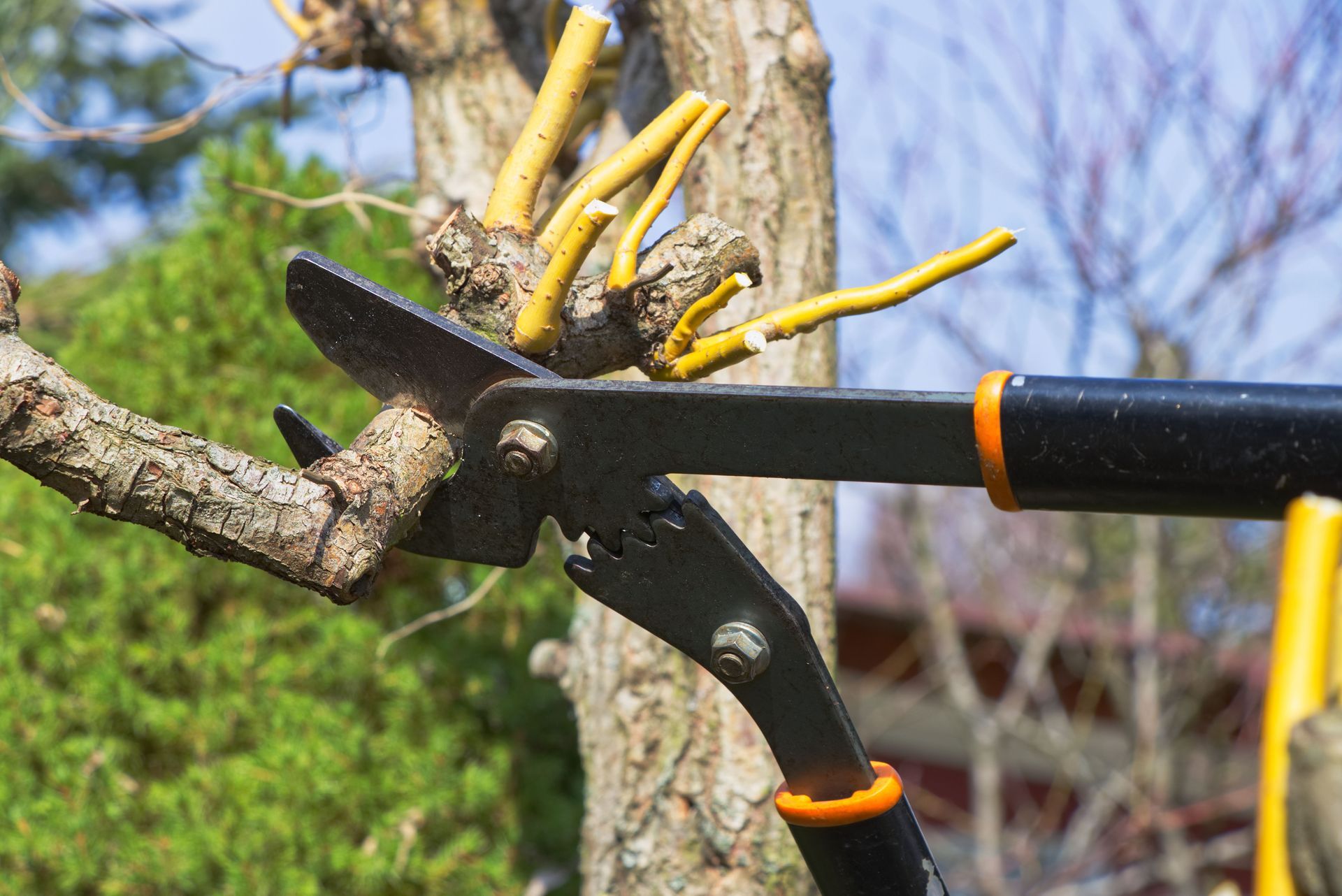
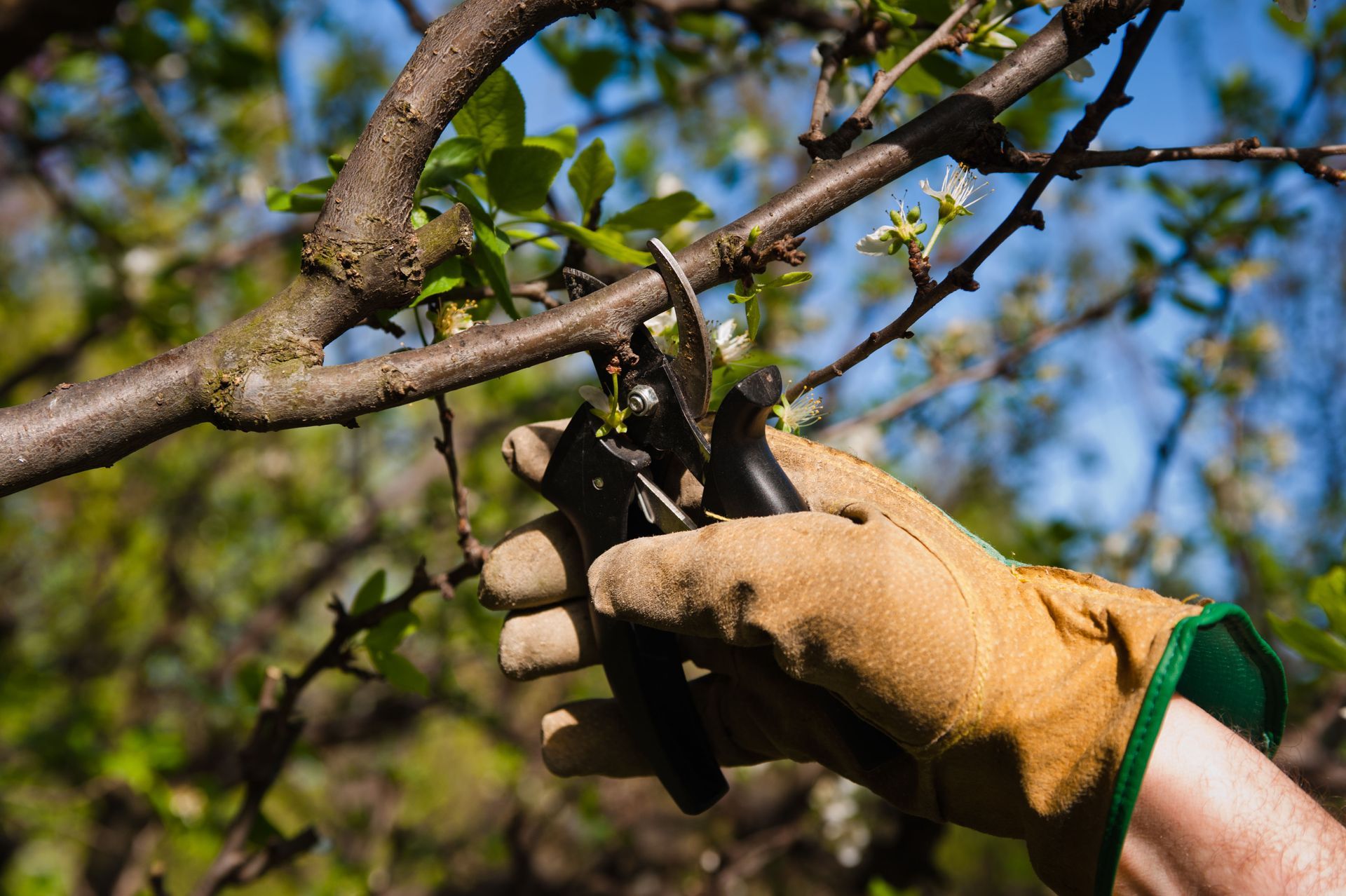
Proper aesthetic pruning also respects the natural silhouette and natural habit of each specific tree species. Improper techniques, such as crude topping or aggressive over-pruning, trigger rapid production of weak, unsightly water sprouts that break easily in moderate winds. Professional specialists make precise, calculated cuts just outside the branch collar, promoting clean natural healing and seamless tissue closure. By selectively shaping young and mature specimens alike, arborists elevate the visual harmony of your entire property, creating clean architectural lines, open vistas, and beautifully balanced focal points across your residential landscape.
Managing Soil Health and Root Systems
The true foundation of any healthy tree lies hidden beneath the soil line. Compacted earth, nutrient deficiencies, improper soil acidity, and poor subterranean drainage can quietly suffocate root systems, causing gradual canopy decline over multiple growing seasons. Professional tree specialists conduct thorough soil analysis to evaluate fundamental nutrient balances, organic matter content, and subterranean compaction levels. Armed with precise soil data, they implement corrective soil aeration protocols and customized deep-root fertilization treatments that deliver vital organic minerals directly to absorbing root zones.
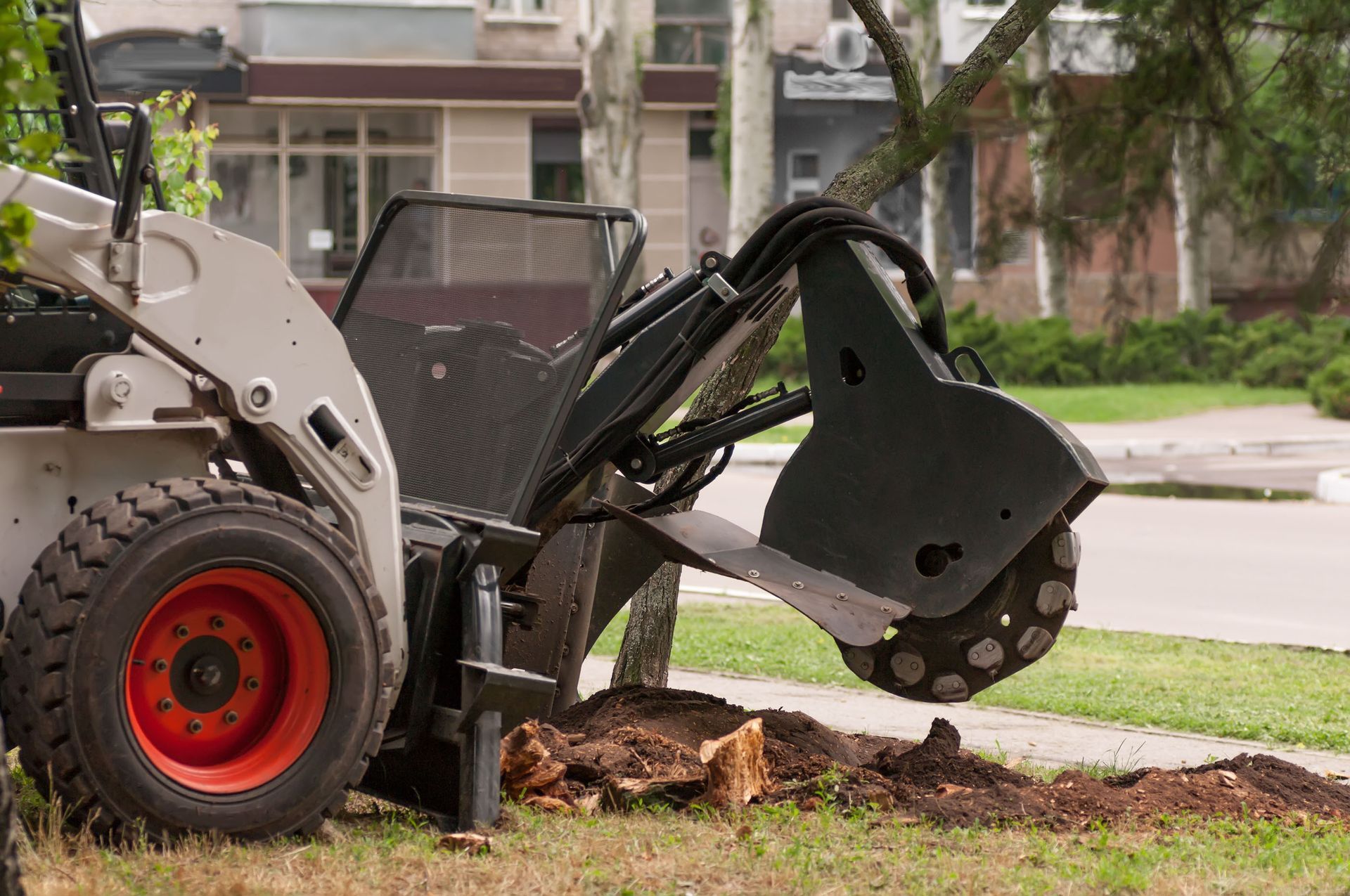
Root management also extends to resolving physical conflicts between growing roots and surrounding residential infrastructure. Expanding root systems can inadvertently uplift paved driveways, buckle stone walkways, disrupt underground utility connections, or crack foundational masonry. An experienced specialist can carefully perform selective root pruning or install specialized physical root barriers to redirect growth away from structural foundations without compromising the biological stability of the tree. Through proactive underground management, arborists preserve both subterranean root networks and the physical integrity of your hardscaped property.
Mitigating Storm Damage and Emergencies
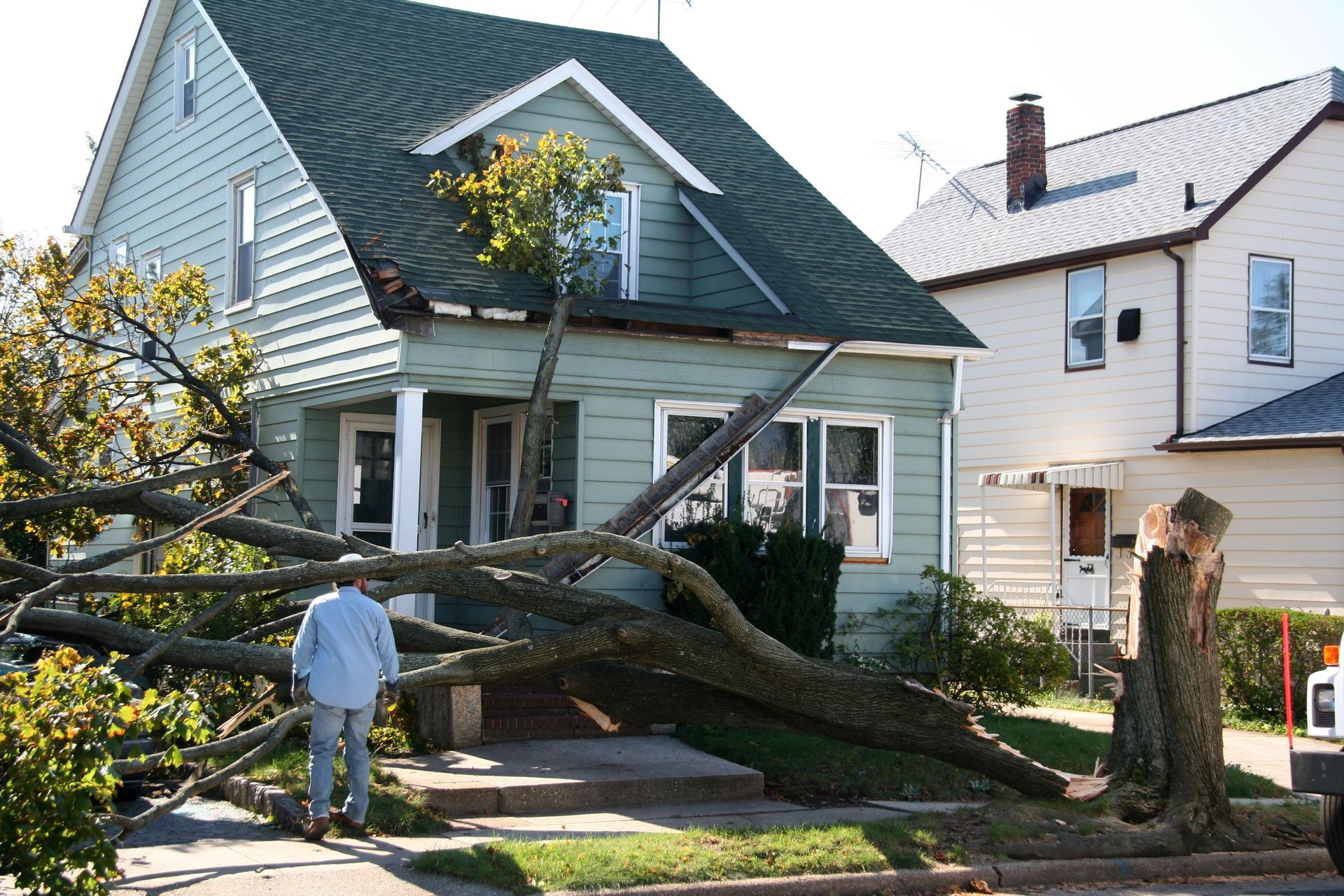
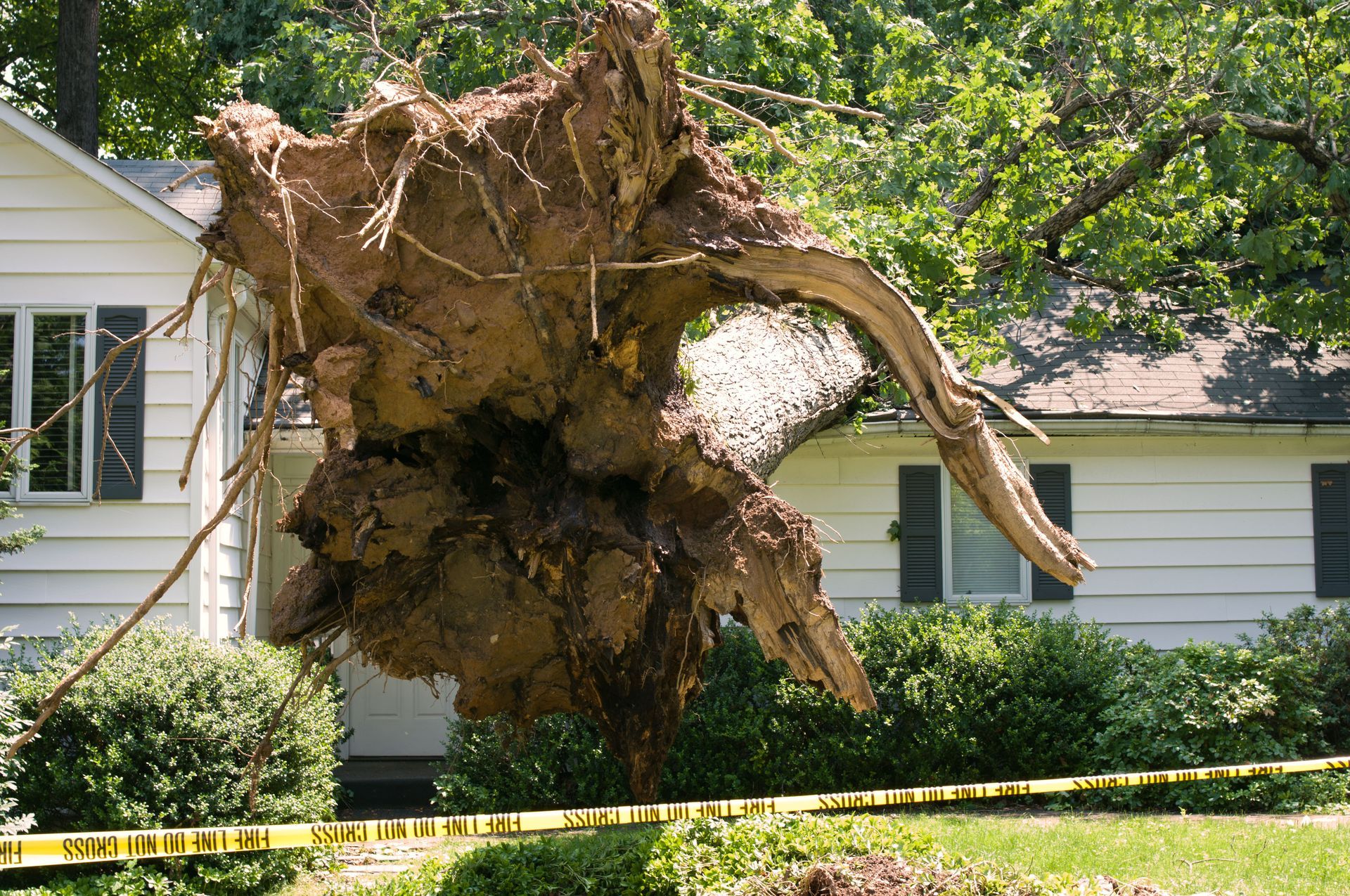
Severe weather events bring intense wind gusts, heavy ice accumulations, and torrential rain, transforming vulnerable trees into dangerous structural hazards. Weak limbs, heavy deadwood, and unstable root systems can crash down onto rooftops, vehicles, power lines, and neighboring structures without warning. Arborists specialize in preemptive storm mitigation, systematically inspecting mature trees for potential stress points and performing defensive tree trimming to clear heavy branches away from critical residential structures before severe weather arrives.
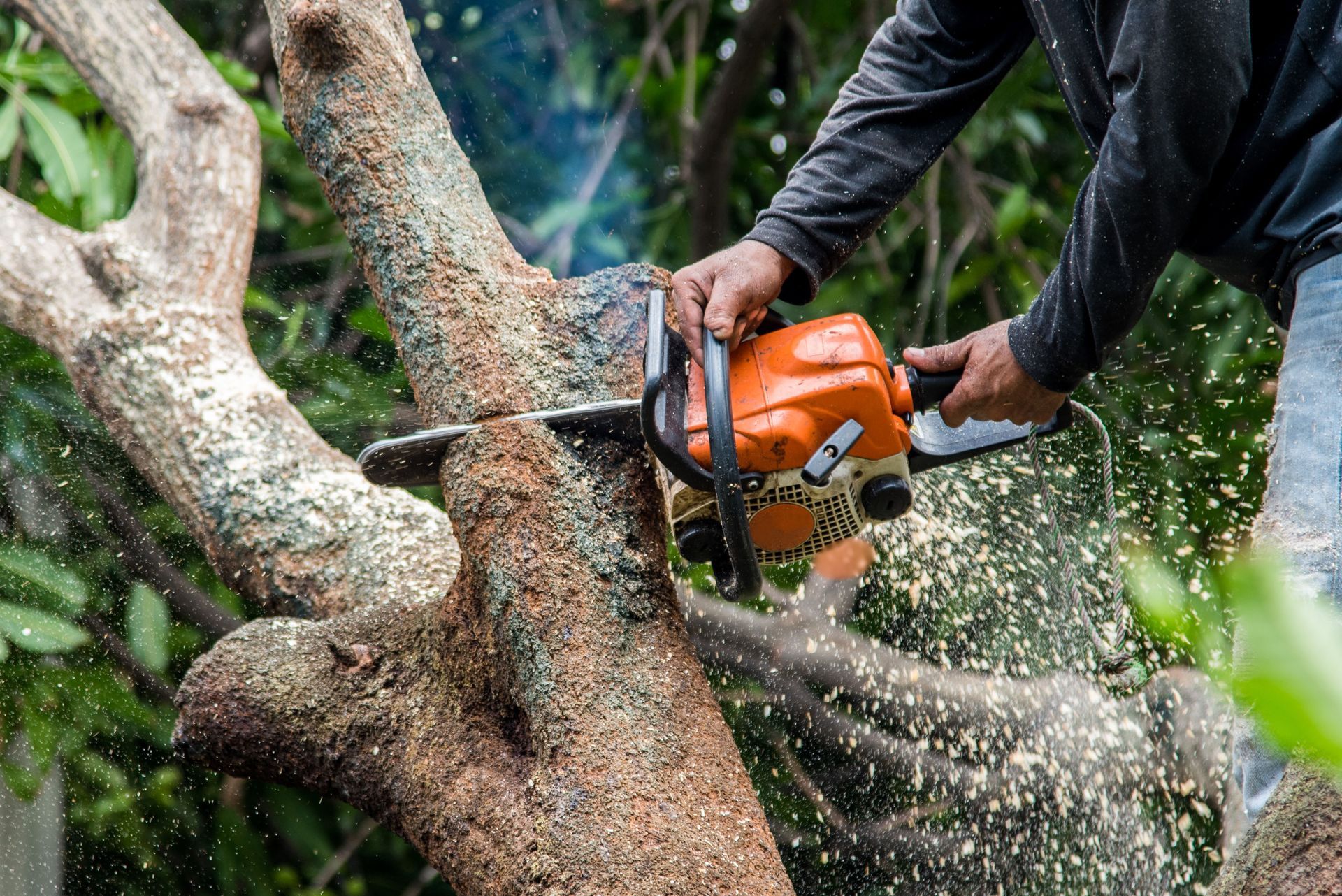
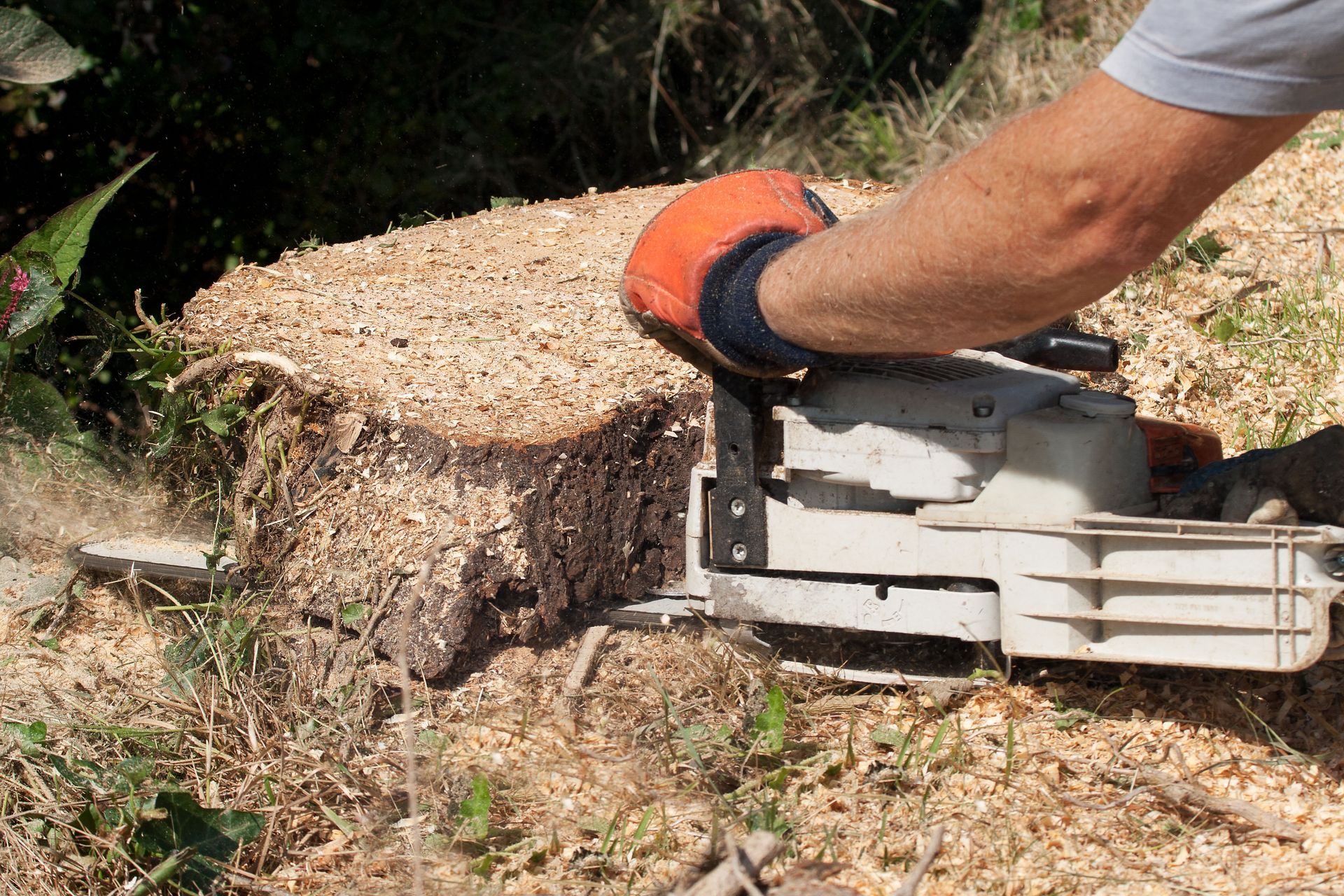
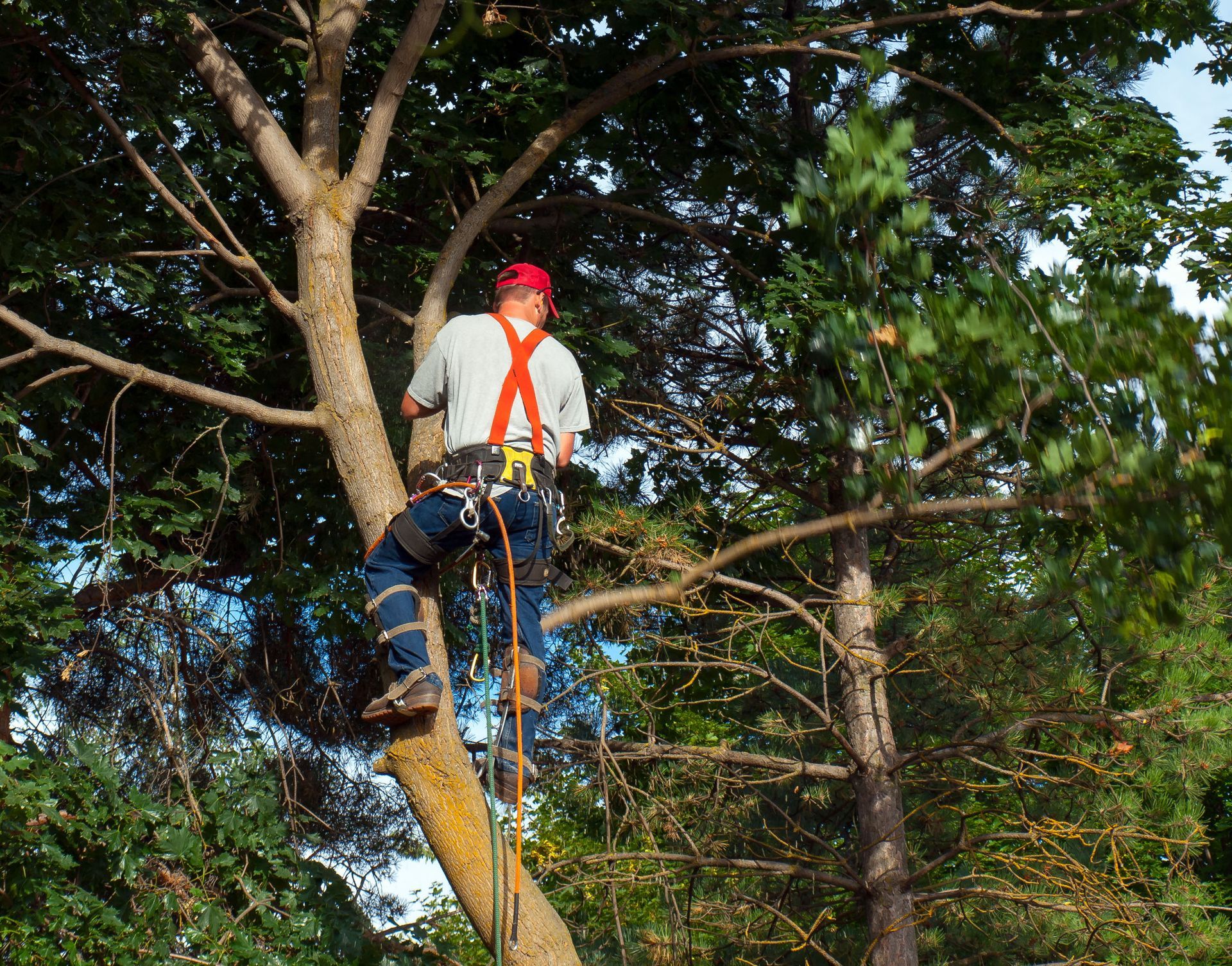
When unexpected natural disasters do occur, professional arborists provide rapid emergency response services to restore safety to your home grounds. Clearing massive fallen trunks and suspended limbs requires complex rigging equipment, specialized chain saws, and advanced mechanical leverage techniques to prevent further structural damage. Trained specialists safely stabilize compromised trees, clear dangerous overhead debris, and systematically restore order to chaotic storm-damaged grounds.
Long-term preservation planning involves continuous monitoring, seasonal pruning schedules, and proactive health treatments tailored to changing environmental conditions. By addressing minor issues—such as minor fungal spots, insect activity, or dense branch crowding—before they develop into severe structural hazards, arborists save property owners substantial financial costs associated with emergency removals and property repairs. Investing in routine professional care yields compounding aesthetic and environmental dividends, ensuring your residential landscape remains a safe, valuable, and tranquil sanctuary.
Ready to elevate the health, safety, and natural beauty of your landscape? Contact the expert team at Cipully Tree Service LLC today to schedule your professional tree evaluation and personalized maintenance plan.
Share On: