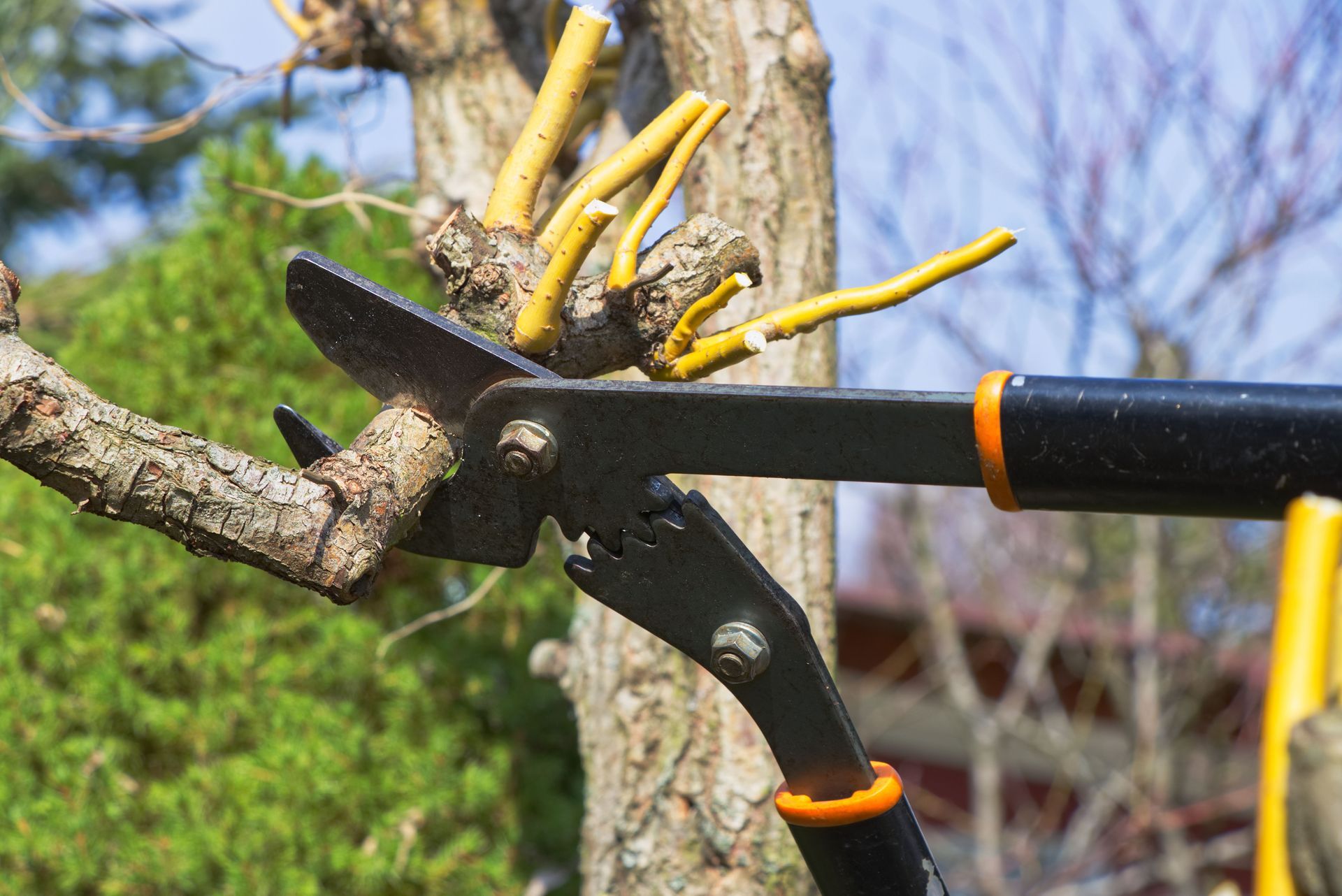
Trees add beauty, shade, and value to a property, but without proper care they can also become a serious liability. Overgrown or weakened branches can cause damage during storms or high winds, leading to costly repairs. Regular tree trimming helps reduce these risks while keeping trees healthy and well-structured.
Understanding Tree Growth and Size Classification
Trees vary significantly in size, structure, and growth patterns, which affects how they should be maintained. Proper trimming practices depend on understanding these differences and how they influence stability.
According to Lawn Love, trees under 30 feet tall are generally classified as small, while those 60 feet or taller are considered tall by most professionals. This classification helps arborists determine the level of maintenance required and the potential risk each tree may pose to nearby structures. Smaller trees may require lighter maintenance, while taller trees often need more frequent and strategic trimming to ensure safety and balance.
Identifying Overhanging Branch Risks Early
One of the most common causes of property damage is overhanging branches. These branches can extend over roofs, driveways, and power lines, creating potential hazards during storms or high winds.
Regular inspection helps identify branches that are growing too close to structures. Left unchecked, these limbs can break and cause significant damage to roofs, windows, or vehicles. Routine tree trimming reduces these risks by removing weak or overextended branches before they become a problem.
Preventing Storm Damage with Proper Maintenance
Severe weather is one of the biggest threats to trees and surrounding property. High winds, heavy rain, and lightning can all cause branches to break or trees to fall.
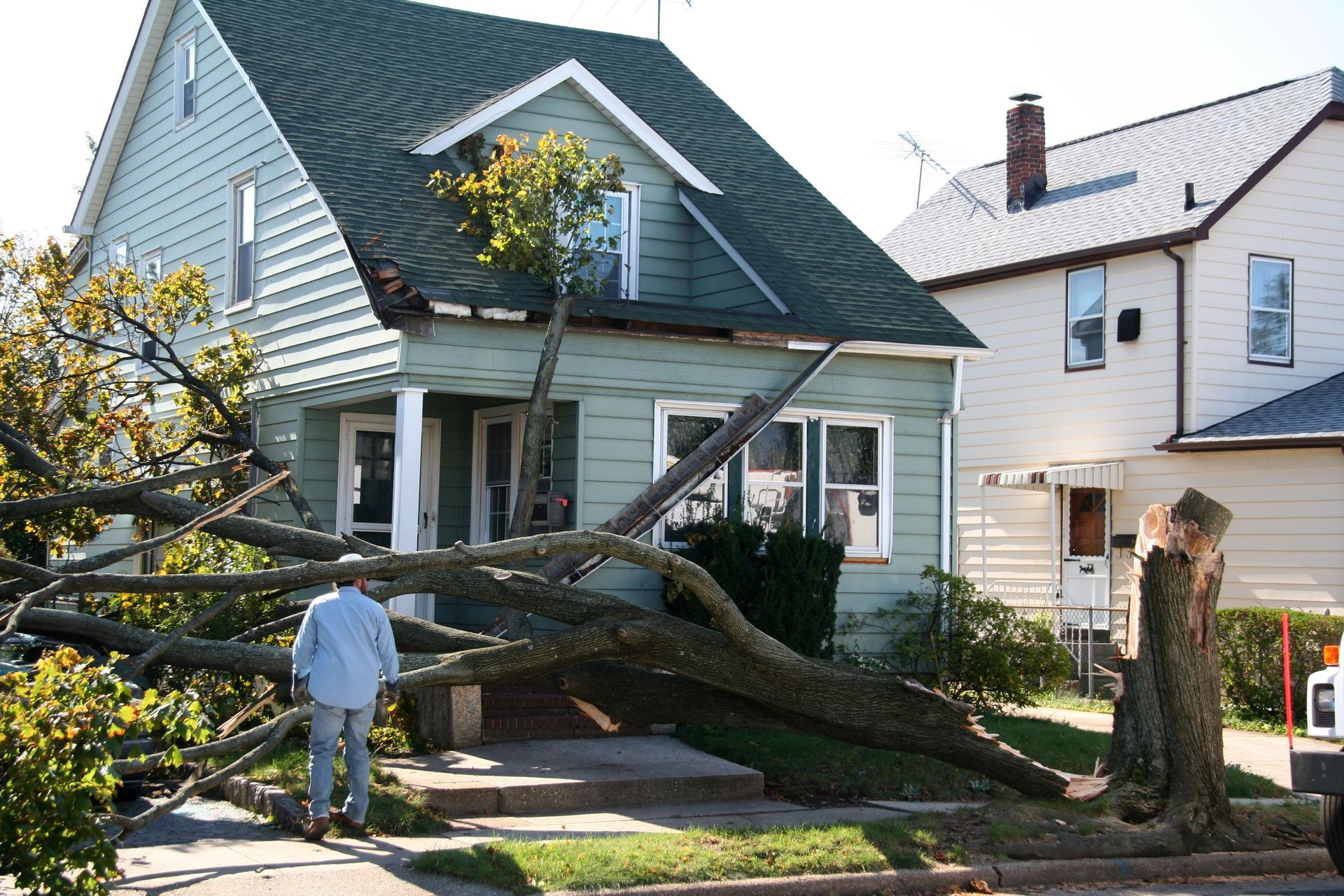
Well-maintained trees are more likely to withstand these conditions. Tree pruning helps reduce wind resistance by thinning out dense canopies and removing dead or weakened limbs. By improving structural balance, trimming significantly lowers the likelihood of storm-related damage to homes and surrounding property.
Protecting Roofs and Structural Components
Branches that hang over roofs can cause gradual damage over time. They may scrape shingles, clog gutters with debris, or provide pathways for pests to access the home.
In more severe cases, falling branches can puncture roofing materials or damage structural components. This type of damage is often expensive to repair and may lead to secondary issues such as leaks. Regular tree pruning ensures that branches remain at a safe distance from the home, protecting both the roof and underlying structure.
Reducing Risk of Power Line Interference
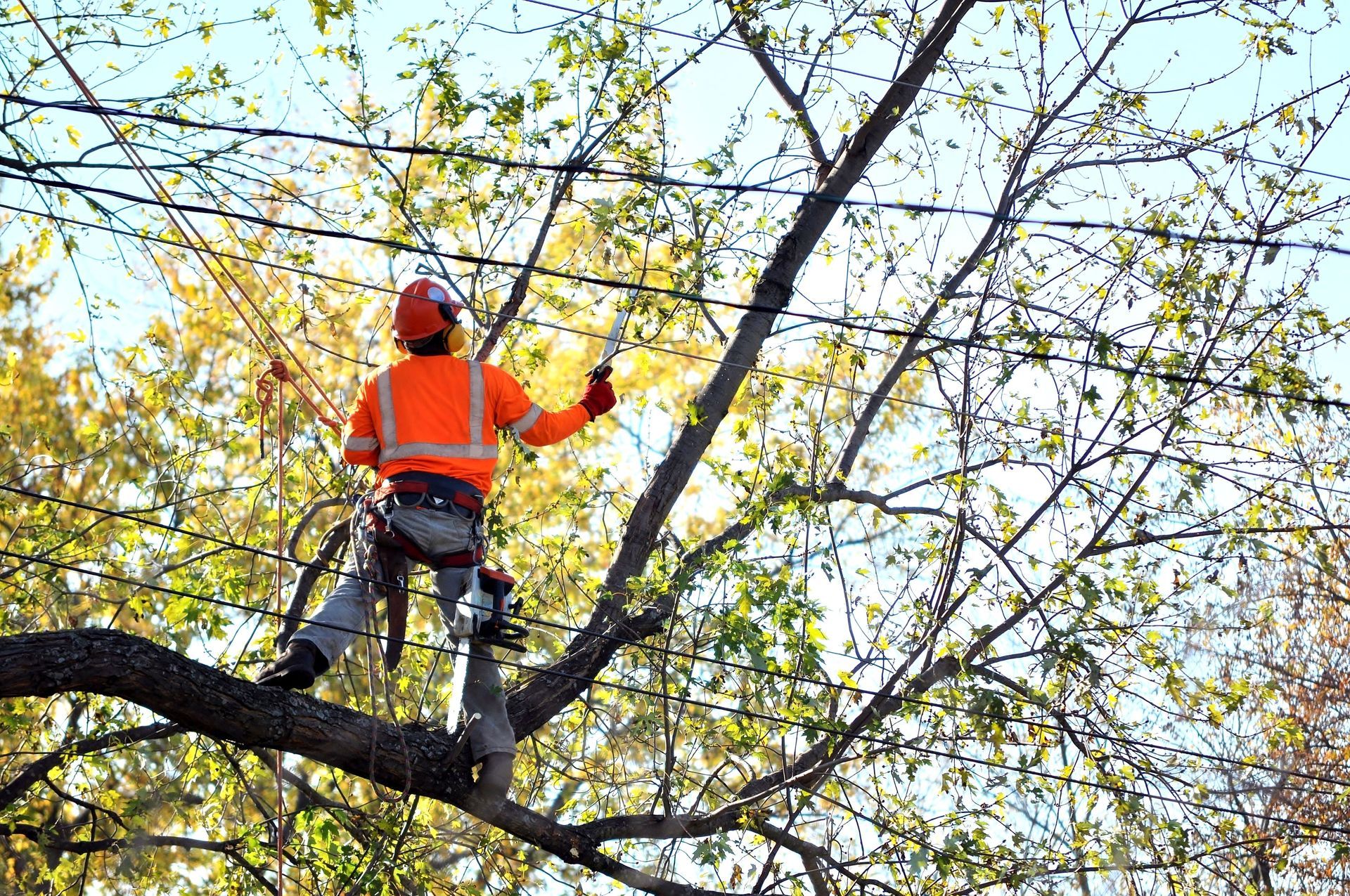
Trees growing near power lines pose a serious safety hazard. Branches that come into contact with electrical lines can cause outages, fires, or electrocution risks.
Utility companies often perform maintenance, but property owners are responsible for trees on their land. Keeping branches trimmed away from power lines is essential for safety. Professional tree pruning helps maintain safe distances and prevents dangerous interference with electrical infrastructure.
Improving Tree Health and Structural Integrity
Tree trimming is not only about preventing damage—it also promotes healthier growth. Removing dead or diseased branches allows the tree to focus its energy on stronger, healthier parts.
This process improves overall structure and reduces the risk of internal decay. Healthy trees are less likely to lose large branches unexpectedly. Consistent tree pruning supports long-term stability and ensures that trees remain strong and resilient over time.
Preventing Root-Related Property Damage
While branches are the most visible concern, roots can also cause significant property damage. Tree roots may grow into foundations, driveways, or underground utilities.
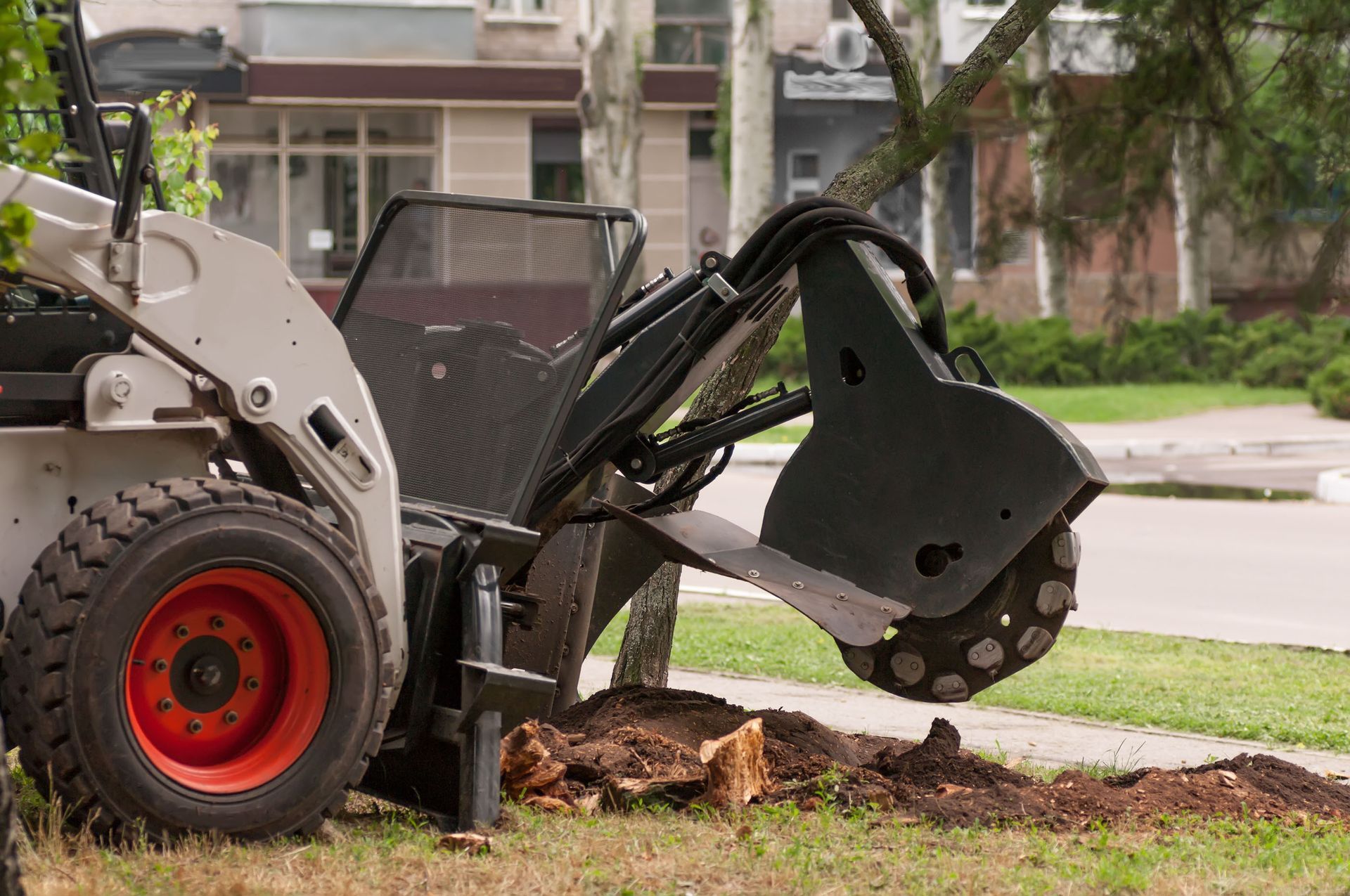
Although trimming focuses on above-ground growth, it indirectly supports root health by balancing the tree’s overall structure. A well-maintained canopy reduces stress on the root system. By managing growth through tree pruning, property owners can help minimize the risk of root-related damage to structures and infrastructure.
Enhancing Visibility and Property Safety
Overgrown trees can obstruct visibility around driveways, sidewalks, and roadways. This can create safety hazards for both pedestrians and drivers.
Proper trimming improves sightlines and reduces the risk of accidents. It also helps ensure that outdoor lighting is not blocked by dense foliage. Tree pruning contributes to a safer and more navigable property environment, especially in high-traffic areas.
Reducing Pest and Wildlife Intrusion
Dense or overgrown trees can provide shelter for pests and wildlife. Branches that touch or hang near a home can create easy access points for insects, rodents, and other animals.
Regular trimming helps eliminate these pathways and reduces the likelihood of infestations. It also allows for better airflow and sunlight penetration, which discourages pest activity. Tree pruning plays an important role in maintaining a clean and controlled outdoor environment.
Supporting Long-Term Property Value
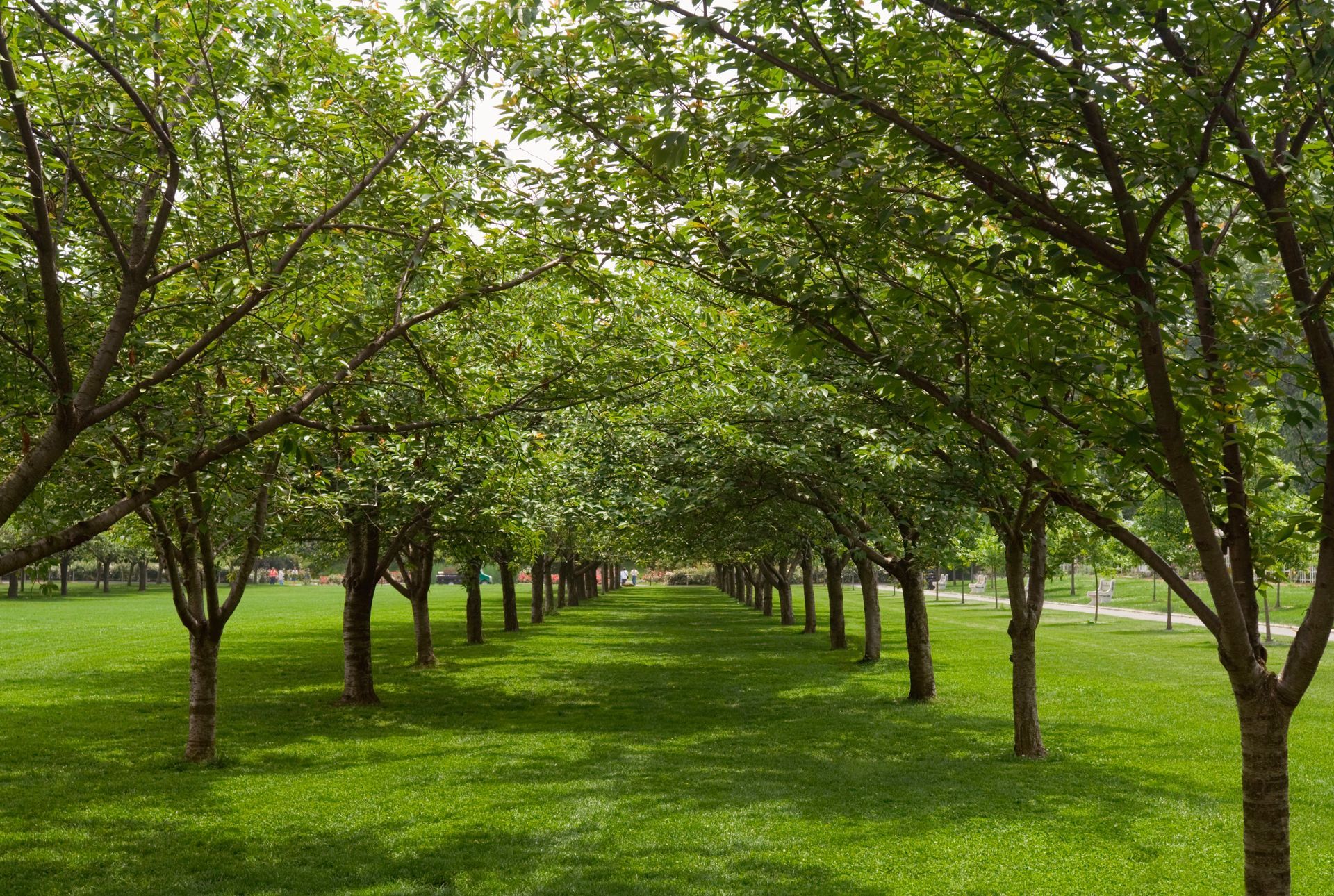
Well-maintained landscaping contributes significantly to property value. Trees that are healthy and properly shaped enhance curb appeal and create a positive first impression.
Neglected trees, on the other hand, can make a property look unkempt and potentially unsafe. This can negatively impact buyer interest and perceived value. Regular tree trimming helps maintain an attractive and well-kept appearance, supporting long-term investment value.
Preventing Emergency Removal Situations
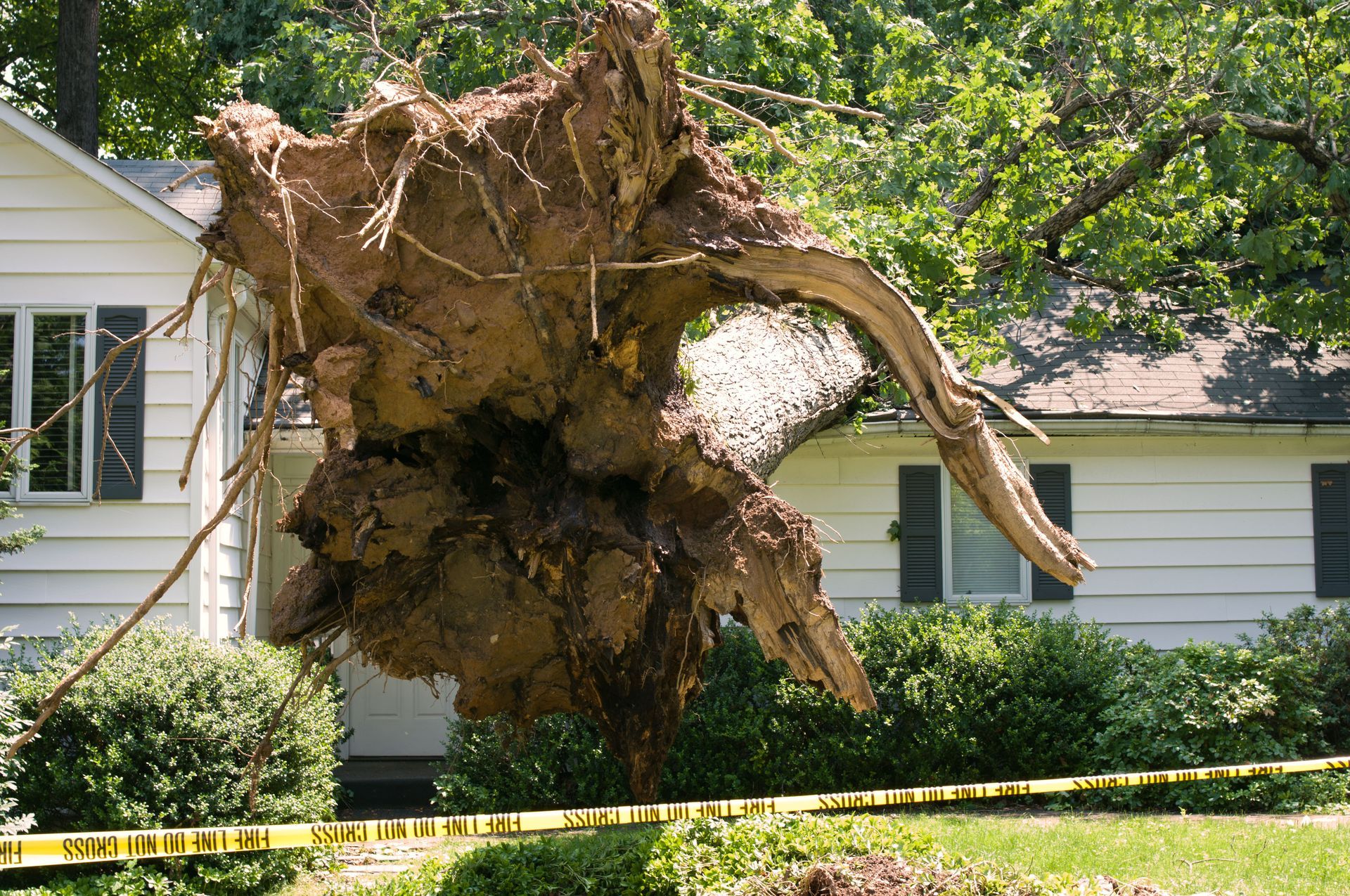
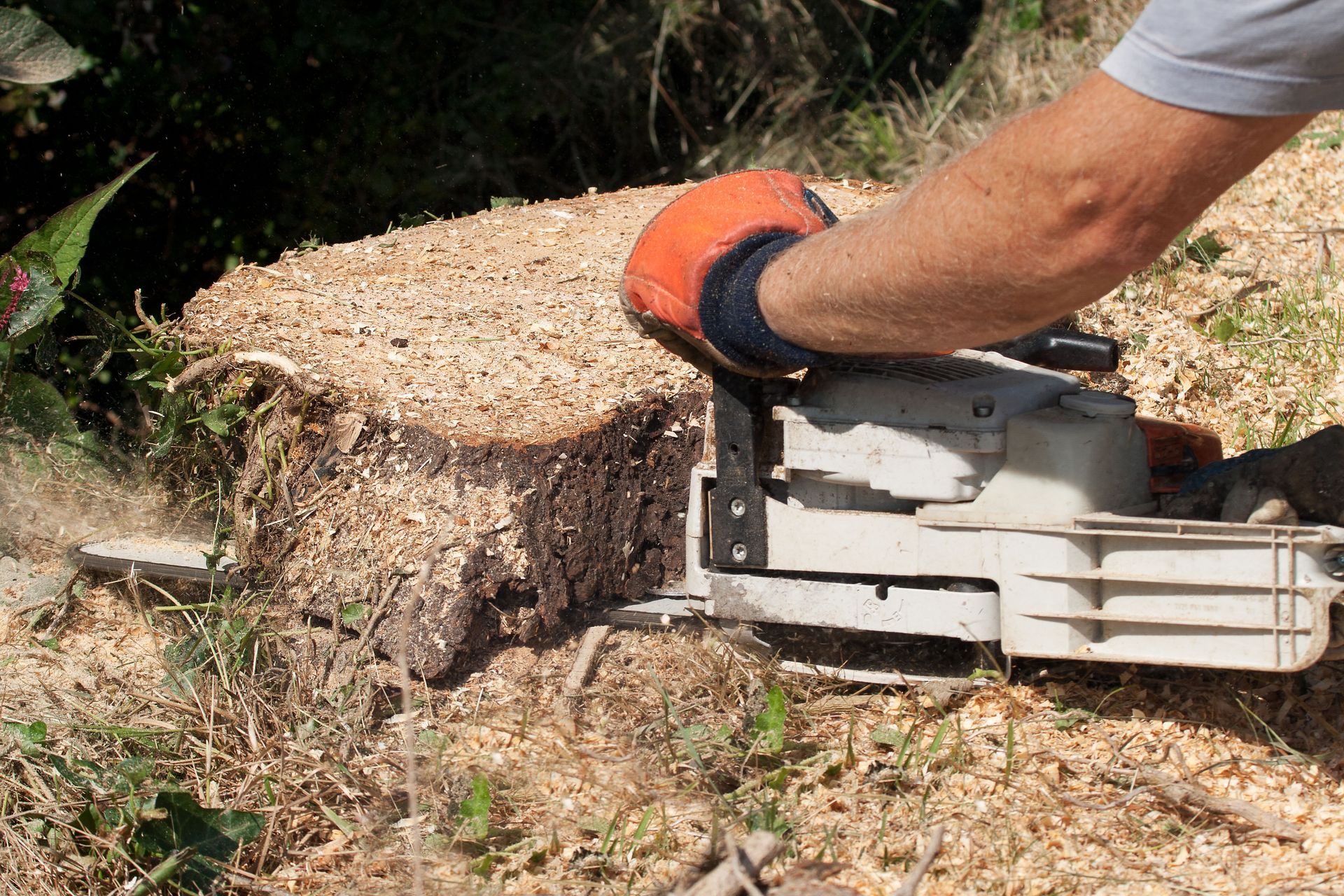
When trees are not maintained properly, they may eventually become hazardous enough to require emergency removal. This is often more expensive and disruptive than routine care.
Proactive trimming helps identify and address potential risks before they escalate. Removing problematic branches early reduces the likelihood of sudden tree failure. Tree pruning is a preventative measure that helps avoid emergency situations and costly interventions.
Improving Airflow and Sunlight Exposure
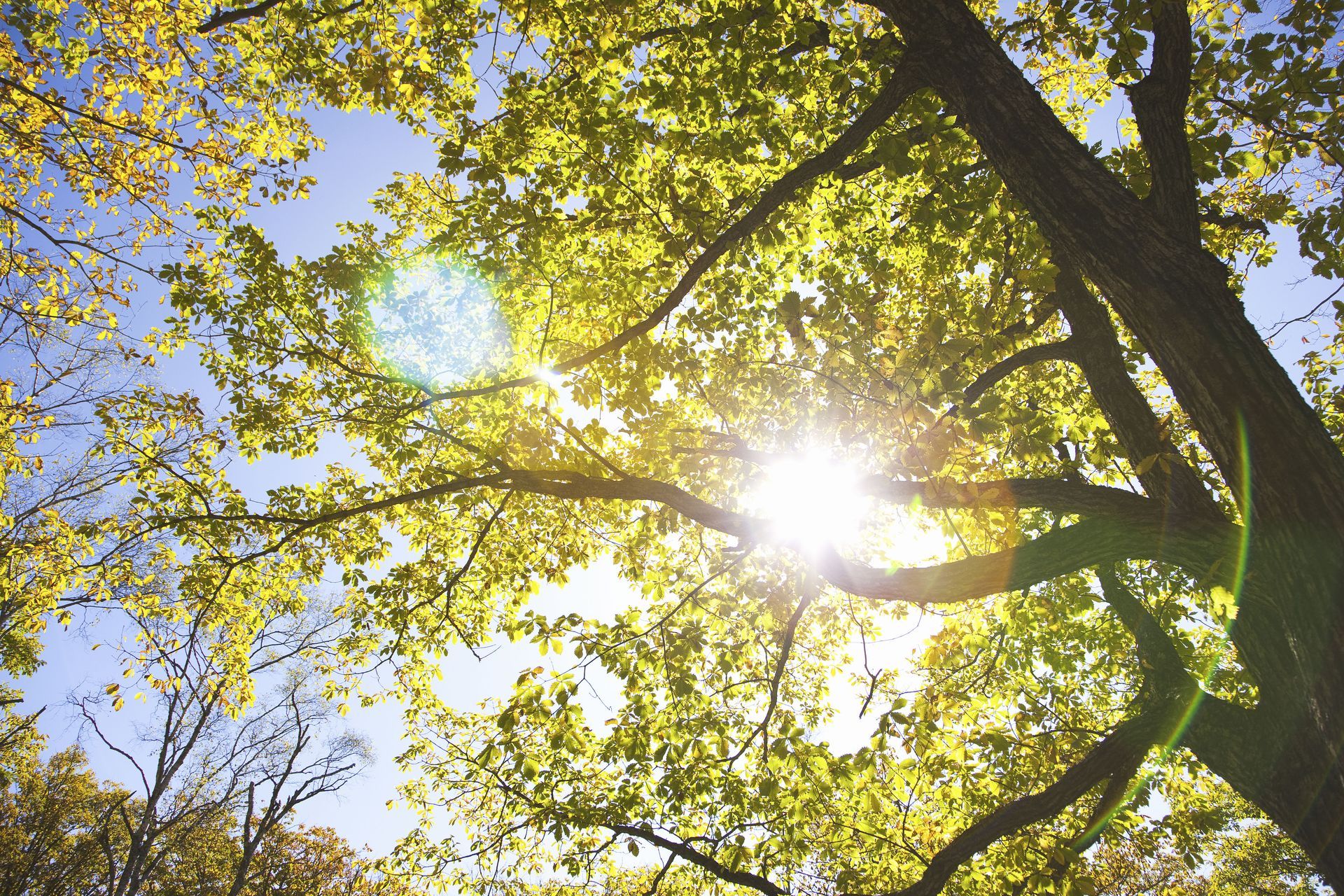
Dense tree canopies can block sunlight and restrict airflow around a property. This can affect nearby plants, lawns, and even parts of the home. Strategic trimming opens up the canopy, allowing more light and air to pass through. This improves overall landscape health and reduces moisture buildup.
Tree trimming helps create a more balanced and healthy outdoor environment. It also supports stronger plant growth by ensuring that grass and garden beds receive adequate sunlight throughout the day. Improved airflow can reduce the risk of fungal growth and pest infestations that thrive in damp, shaded areas. In addition, better light penetration can enhance the appearance of outdoor spaces, making them more vibrant and usable.
Ensuring Safe Distance from Structures
Maintaining a safe distance between trees and structures is essential for preventing damage. Branches that grow too close to buildings can cause wear and tear over time.
This proactive approach reduces the risk of physical contact and long-term damage. It also helps prevent issues such as clogged gutters, roof abrasion, and blocked ventilation caused by overhanging limbs. In addition,
maintaining proper clearance improves airflow around buildings and reduces the likelihood of moisture buildup that can contribute to decay or mold. Consistent monitoring and trimming make it easier to manage growth patterns before they become hazardous or costly to correct.
Supporting Seasonal Maintenance Planning
Tree care is often most effective when performed seasonally. Different times of year may require different levels of trimming depending on growth patterns and weather conditions.
Regular scheduling ensures that trees are consistently maintained and less likely to develop hazardous growth.
Tree pruning as part of seasonal maintenance helps property owners stay ahead of potential risks throughout the year.
Tree maintenance is an essential part of protecting both property and safety. Regular care helps prevent damage from overgrowth, storms, and structural interference. With consistent attention and proper trimming practices, property owners can enjoy healthier trees and a safer, more secure environment. If you are interested in tree trimming services for your property, contact Cipully Tree Service LLC today to learn more and get started!
Share On: